

Luxury Retail Training 2027: Why Leading Brands Are Moving Beyond Traditional eLearning.
As luxury brands prepare for 2027, retail education is entering a new era. Traditional eLearning, built around static courses, standardised training programmes, and completion rates, is no longer sufficient to meet the evolving expectations of luxury customers and the growing complexity of global retail networks.
Today, leading luxury groups are exploring AI-powered learning platforms that deliver more personalised, engaging, and continuous educational experiences directly to their retail teams. From intelligent content creation and adaptive learning paths to AI knowledge assistants, interactive role-play, social learning, and advanced analytics, artificial intelligence is transforming how luxury professionals acquire knowledge, develop skills, and deliver exceptional customer experiences.
The objective is no longer simply to train employees, but to empower every retail associate with the expertise, confidence, and emotional intelligence needed to represent their Maison. As we approach 2027, the future of luxury retail training is shifting from traditional course-based education towards intelligent, mobile-first learning ecosystems that combine AI innovation, human expertise, and the art of luxury service.
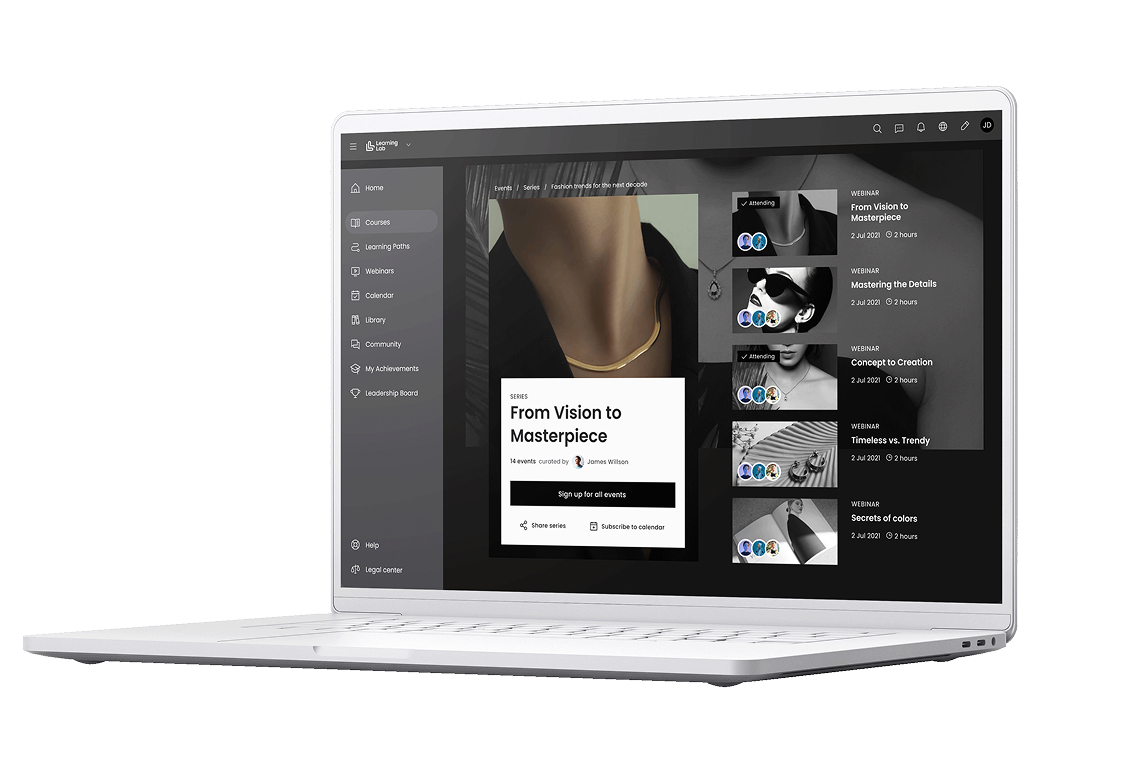
From Traditional LMS to Intelligent Learning Ecosystems: Redefining Luxury Retail Education
Luxury retail education is evolving beyond traditional Learning Management Systems (LMS) focused primarily on delivering courses, managing training programmes, and tracking completion rates.
While these functions remain essential, they are no longer sufficient to support the increasingly complex needs of global luxury brands and their retail teams. The next generation of retail learning is moving towards intelligent, AI-powered learning ecosystems that connect formal education, personalised development, instant knowledge access, social collaboration, and practical skills development within a unified digital environment. Instead of relying on occasional training campaigns, luxury brands can create continuous learning experiences that become part of employees' everyday activities.
With an AI-powered luxury LMS such as The Learning Lab, retail associates can access relevant product knowledge, receive personalised learning recommendations, interact with AI knowledge assistants, participate in professional communities, and reinforce their expertise through mobile-first microlearning and interactive experiences.
This transformation enables luxury organisations to move from simply managing training to building a dynamic learning culture where knowledge is accessible, skills develop continuously, and education contributes to exceptional customer experiences.
Key Benefits of Intelligent Learning Ecosystems for Luxury Retail
Beyond Traditional eLearning: Move from static, course-centred training towards dynamic, interactive, and continuously evolving learning experiences.
AI-Powered Learning Environment: Combine intelligent content creation, AI knowledge assistance, personalised learning, and advanced analytics within a unified platform.
Continuous Learning Culture: Replace isolated training campaigns with ongoing professional development and regular knowledge reinforcement.
Learning at the Point of Need: Give retail associates immediate access to relevant product information, brand knowledge, and educational resources during their working day.
Personalised Learning Journeys: Adapt educational experiences to employees' roles, knowledge levels, learning preferences, and professional development objectives.
Social and Collaborative Learning: Connect retail teams through discussion forums, expert communities, peer feedback, and knowledge-sharing experiences.
Mobile-First Education: Deliver accessible microlearning, interactive videos, and product updates directly to employees' smartphones.
Practical Skills Development: Connect theoretical knowledge with interactive scenarios, AI-supported role-play, customer interactions, and in-store coaching.
Advanced Learning Analytics: Move beyond completion rates to better understand engagement, knowledge development, learning gaps, and educational effectiveness.
One Connected Learning Ecosystem: Bring together content creation, knowledge management, learning delivery, collaboration, and reporting within a fully branded digital academy.
The Learning Lab represents this evolution towards a next-generation retail LMS, combining artificial intelligence, creative learning experiences, mobile accessibility, and social collaboration to transform traditional training into a continuous, intelligent, and engaging learning journey. For luxury brands preparing for 2027, the objective is no longer simply to deliver more courses, but to make learning more relevant, accessible, personalised, and connected to everyday retail performance.
AI Content Creation: Faster Production, Greater Creativity, and More Engaging Luxury Retail Education
Artificial intelligence is transforming how luxury brands create, update, and distribute educational content, enabling Learning & Development teams to produce high-quality training experiences faster while dedicating more time to creativity, storytelling, and learning effectiveness.
Traditionally, transforming product documentation, collection presentations, craftsmanship stories, and brand guidelines into engaging digital courses required significant time and resources. Today, generative AI for retail training opens new opportunities to accelerate this process.
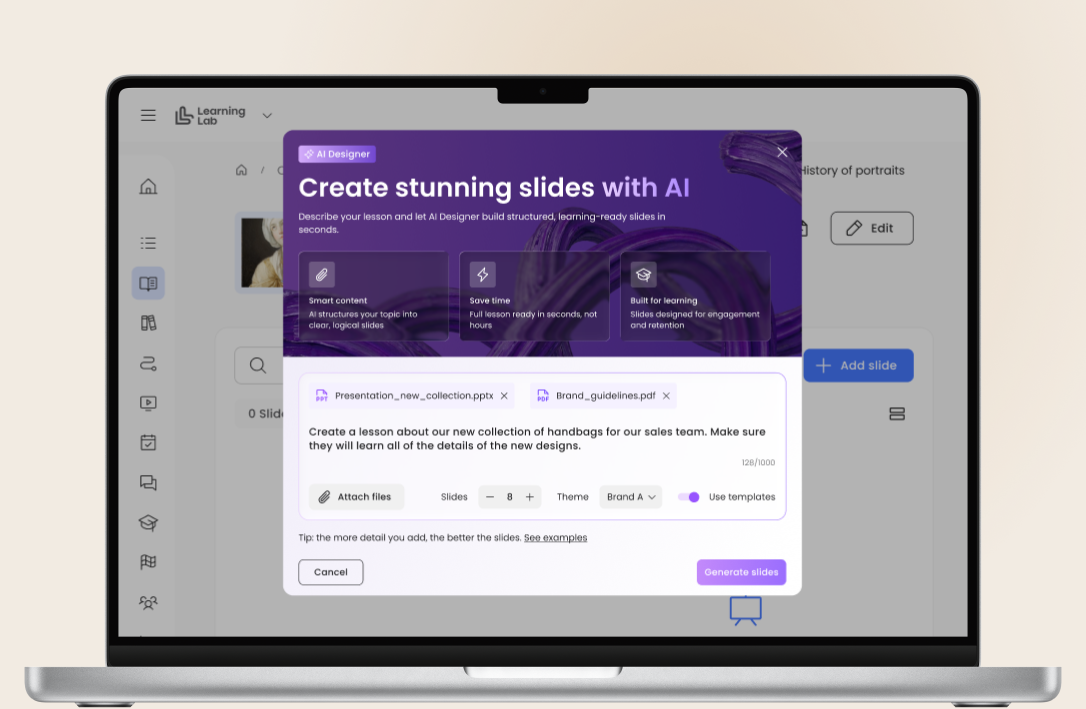
With The Learning Lab's AI Content Assistant, integrated directly into its Authoring Tool, education teams can transform existing documents into structured lessons, interactive learning activities, quizzes, and video scripts within minutes. This capability is particularly valuable for luxury brands managing frequent collection launches, product innovations, and international retail networks, where educational content must remain accurate, consistent, and accessible across multiple markets.
However, creating content faster does not automatically mean employees are learning better. The true value of an AI content creation LMS lies in combining intelligent automation with instructional design, brand storytelling, interactive experiences, and human expertise. AI should empower educators to focus less on repetitive production tasks and more on creating meaningful learning experiences that develop knowledge, strengthen skills, and inspire retail associates to bring their Maison's identity to life.
Key Benefits of AI-Powered Content Creation for Luxury Retail
AI-Powered Course Authoring: Transform product documentation, brand guidelines, collection presentations, and existing training materials into structured digital learning experiences.
Integrated AI Content Assistant: Use The Learning Lab's AI-powered Authoring Tool to generate lesson structures, educational scripts, quizzes, and learning activities directly within the platform.
Faster Product Launch Training: Accelerate the creation and distribution of educational content for new collections, product innovations, and seasonal campaigns across international retail networks.
Greater Educational Creativity: Free L&D teams from repetitive content production tasks, allowing them to focus on storytelling, instructional design, and engaging learning experiences.
Interactive Learning Experiences: Enrich AI-generated content with interactive videos, knowledge assessments, hotspots, scenarios, and other activities that encourage active participation.
Consistent Brand Storytelling: Preserve the Maison's heritage, craftsmanship, values, and product narratives throughout every educational experience.
Fully Branded Learning Content: Maintain visual consistency through brand colours, typography, imagery, and design principles within a customised digital academy.
Multilingual Content Localisation: Combine AI-assisted authoring with translation workflows to accelerate the adaptation of training materials for international retail teams.
Human Validation and Quality Control: Keep education professionals responsible for reviewing product accuracy, brand messaging, learning objectives, and the quality of AI-generated content.
Continuous Content Improvement: Update existing learning materials more efficiently as collections evolve, product information changes, and new educational needs emerge.
From Content Generation to Learning Effectiveness: Focus on knowledge retention, practical application, assessment results, and employee development rather than simply increasing the volume of training content.
The Real Question: AI Can Create a Course in Minutes. Does That Mean People Are Learning?
The ability to generate a course in minutes is an important technological achievement, but it should never become the ultimate measure of educational success. The future of AI course authoring in luxury retail is not about producing more content faster; it is about creating better learning experiences with greater efficiency. Successful education requires relevant knowledge, engaging storytelling, active participation, practical application, and meaningful assessment.
By combining its AI Content Assistant with interactive authoring capabilities, creative design tools, and advanced learning analytics, The Learning Lab helps luxury brands transform AI-generated content into purposeful educational experiences that strengthen product expertise, support professional development, and contribute to exceptional customer interactions.
Personalised Learning: How AI Is Transforming Luxury Retail Education Beyond One-Size-Fits-All Training
Every luxury retail professional brings a unique combination of experience, product knowledge, responsibilities, and professional ambitions.
A newly recruited sales associate, an experienced client advisor, a boutique manager, and a product specialist do not share the same learning needs. Yet traditional retail training often delivers identical courses to everyone, regardless of their existing competencies or development objectives. AI-powered personalised retail learning introduces a more intelligent, flexible, and engaging approach to employee education.
With The Learning Lab's personalised learning paths and evolving AI Adaptive Learning capabilities, luxury brands can move towards educational experiences that reflect individual roles, knowledge levels, learning preferences, and available time. Rather than following a rigid training programme, learners can access targeted content, choose between quick knowledge refreshers and deeper educational sessions, and progressively strengthen their expertise through interactive activities and assessments.
By connecting learning progress with individual development objectives, adaptive learning for luxury retail creates opportunities to make education more relevant, efficient, and motivating. For luxury brands preparing for 2027, personalisation represents an important evolution: moving from standardised training delivery towards continuous professional development that empowers every employee to learn at their own pace while maintaining the consistent knowledge and service standards expected from their Maison.
Key Benefits of AI-Powered Personalised Learning for Luxury Retail
Role-Based Learning Experiences: Adapt educational programmes to the responsibilities of sales associates, client advisors, boutique managers, product specialists, and retail trainers.
AI Adaptive Learning: Explore intelligent learning journeys that dynamically adjust educational content according to individual knowledge, preferences, progress, and development objectives.
Personalised Learning Paths: Create structured educational journeys that reflect each employee's experience, professional responsibilities, and competency requirements.
Learning That Adapts to Available Time: Allow employees to choose between quick refreshers, short microlearning sessions, and more comprehensive learning experiences depending on their schedules.
Individual Product Knowledge Reinforcement: Provide targeted educational content to strengthen knowledge of collections, craftsmanship, materials, product features, and brand heritage.
Assessment-Driven Learning: Use quiz results, knowledge checks, and learning progress to identify areas requiring additional practice or reinforcement.
Continuous Skills Development: Connect learning activities with professional competencies, development objectives, and opportunities for career progression.
Greater Learner Engagement: Improve the relevance of training by delivering content aligned with individual interests, learning needs, and professional challenges.
Mobile-First Personalisation: Make personalised learning experiences accessible directly from smartphones, enabling retail associates to develop their knowledge throughout their working day.
Consistent Brand Standards: Combine individualised learning journeys with shared educational objectives, ensuring that every employee develops the essential knowledge and service competencies expected by the Maison.
Data-Informed Learning Recommendations: Use learning analytics and assessment insights to guide relevant educational activities and support more targeted professional development.
Scalable Personalisation Across Global Networks: Support different roles, markets, languages, and experience levels within a unified digital learning environment.
From Standardised Training to Intelligent, Individual Learning Journeys
The future of luxury retail education is not about delivering the same content to every employee, but about ensuring that each professional receives the right learning experience, at the right moment, and at the appropriate level of depth. AI creates opportunities to move beyond predefined courses towards more responsive educational journeys that evolve with individual progress and professional needs. A new retail associate might begin with foundational product knowledge and brand storytelling, while an experienced client advisor could focus on advanced craftsmanship, clienteling techniques, or new collection updates. A boutique manager might receive targeted learning on coaching, leadership, and team development.
The Learning Lab combines personalised learning paths, interactive education, mobile-first experiences, and advanced analytics, while developing more sophisticated AI Adaptive Learning capabilities to support increasingly individualised learning journeys. By connecting intelligent technology with human expertise and meaningful educational objectives, luxury brands can build a culture of continuous learning where employees feel supported, motivated, and empowered to develop their full professional potential.
AI Knowledge Assistants: Bringing Instant Product Expertise Directly to the Luxury Boutique
In luxury retail, exceptional customer experiences depend on the ability of sales associates to access accurate information, communicate product expertise, and bring their Maison's heritage and craftsmanship to life.
However, as collections evolve, product portfolios expand, and customer expectations become increasingly sophisticated, traditional training courses alone cannot provide every answer at the moment it is needed. AI Knowledge Assistants are transforming luxury retail education by making approved product information accessible through intelligent, conversational interactions.
With The Learning Lab's AI Knowledge Assistant, integrated into its AI-powered learning platform, retail professionals can ask questions in natural language and receive relevant answers based on brand-approved educational resources. Whether exploring the craftsmanship behind a watch movement, understanding the characteristics of precious materials, discovering the inspiration behind a new collection, or reinforcing brand storytelling, employees can access knowledge without navigating multiple courses or documents.
This approach transforms the retail AI chatbot into a practical learning companion, supporting onboarding, continuous product education, and everyday knowledge reinforcement. By combining AI-enhanced knowledge discovery with controlled information sources and a brand-aligned conversational experience, luxury Maisons can make expertise more accessible across their international retail networks while preserving the accuracy, consistency, and authenticity of their communication.
Key Benefits of AI Knowledge Assistants for Luxury Retail
Instant Access to Product Knowledge: Enable retail associates to ask questions and retrieve relevant information about collections, product characteristics, materials, craftsmanship, and brand heritage.
Conversational AI Learning Assistant: Use The Learning Lab's AI Knowledge Assistant to interact naturally with approved educational content through a simple, intuitive conversational interface.
AI-Enhanced Knowledge Discovery: Help employees find relevant information more efficiently without searching manually through multiple courses, documents, and learning resources.
Craftsmanship and Product Storytelling: Strengthen understanding of technical expertise, artisanal techniques, product inspiration, and the distinctive values of each Maison.
Continuous Product Knowledge Reinforcement: Support employees with on-demand explanations and refreshers that complement formal training programmes.
Faster Employee Onboarding: Help new retail associates navigate unfamiliar product categories, understand brand terminology, and progressively develop confidence in their knowledge.
Learning at the Point of Need: Make relevant information accessible during the working day, helping employees prepare for customer conversations, appointments, and product presentations.
Brand-Controlled Knowledge Sources: Ground AI-generated responses in approved product documentation, educational materials, and organisational knowledge resources.
Consistent Global Communication: Support alignment of product information, brand storytelling, and educational messages across boutiques, markets, and international retail networks.
Personalised Knowledge Exploration: Allow employees to ask follow-up questions, explore topics in greater depth, and reinforce knowledge according to their individual needs.
Mobile-First Accessibility: Provide convenient access to AI-supported product knowledge through the digital learning environment on smartphones and other devices.
Responsible AI and Human Expertise: Maintain human oversight of source materials, regularly update approved information, and establish clear procedures for managing uncertain or incomplete AI responses.
From Searching for Information to Having a Conversation with Knowledge
The next generation of luxury retail education will not simply provide employees with access to more content. It will help them find, understand, and apply the right knowledge at the right moment. Instead of navigating a traditional LMS to locate a specific answer, a retail associate can interact with an AI Knowledge Assistant, ask a question, explore related information, and deepen their understanding through a natural conversation.
For example, a watch advisor preparing for a customer appointment could ask about the technical differences between two movements, while a jewellery specialist might explore gemstone characteristics or the craftsmanship behind a particular collection. A newly recruited fashion advisor could use the assistant to understand a Maison's heritage, signature materials, or seasonal product stories.
The Learning Lab's AI Knowledge Assistant brings this conversational approach to luxury retail education, connecting artificial intelligence with approved brand knowledge, mobile accessibility, and continuous professional development. Rather than replacing traditional training or human expertise, it complements structured learning by making knowledge more accessible, relevant, and useful in everyday retail situations.
For luxury brands preparing for 2027, the opportunity is to move beyond simply delivering information towards making trusted expertise available whenever employees need it—helping retail teams build confidence, strengthen product knowledge, and deliver more informed, personalised customer experiences.
AI Role-Play: Transforming Luxury Clienteling Through Intelligent, Interactive Learning Experiences
Exceptional luxury retail experiences are built on more than product knowledge.
They require emotional intelligence, active listening, storytelling, cultural awareness, and the ability to understand each customer's individual expectations. While traditional training programmes can explain the principles of luxury service, developing these competencies requires practice, feedback, and real-world application.
AI-powered role-play is opening new opportunities for luxury retail education by allowing employees to practise customer interactions in realistic, interactive, and personalised learning environments. Through AI-driven customer simulations and conversational scenarios, retail associates can explore different selling situations, respond to objections, recommend products, and develop the confidence needed to deliver exceptional clienteling experiences. With The Learning Lab's AI role-play capabilities developed in collaboration with Synthesia, luxury brands can explore immersive training experiences that combine artificial intelligence, realistic customer conversations, and personalised feedback.
From presenting a new watch collection to explaining the craftsmanship behind a luxury handbag or managing a demanding VIP customer request, AI-supported simulations help employees practise communication, refine their storytelling, and strengthen their professional judgement. Importantly, these technologies are designed to complement—not replace—the expertise of retail managers, trainers, and experienced colleagues. By combining AI sales training with human mentorship and practical coaching, luxury brands can create more engaging, continuous, and effective professional development experiences.
Key Benefits of AI-Powered Role-Play for Luxury Retail
Realistic Customer Simulations: Create interactive scenarios that reflect authentic luxury boutique situations, customer expectations, and selling environments.
AI-Powered Conversational Practice: Allow retail associates to practise customer interactions through intelligent role-play experiences that respond to their answers and decisions.
Luxury Clienteling Development: Strengthen active listening, personalised recommendations, relationship-building, and customer engagement skills.
Handling Customer Objections: Help employees practise responding confidently to questions about pricing, product availability, comparisons, and purchasing decisions.
Product Storytelling and Craftsmanship: Develop the ability to communicate brand heritage, artisanal expertise, product inspiration, and emotional value through compelling conversations.
Personalised Product Recommendations: Simulate customer consultations that encourage employees to identify individual preferences and recommend relevant products.
VIP Customer Experience Training: Prepare retail teams for sophisticated customer requests, complex service situations, and high-expectation client interactions.
AI-Generated Feedback: Explore intelligent feedback on simulated conversations, including communication clarity, product knowledge, objection handling, and alignment with brand service standards.
Continuous Practice and Improvement: Give employees opportunities to repeat scenarios, explore alternative approaches, and progressively develop their confidence.
Role-Based Learning Scenarios: Adapt simulations to different professional responsibilities, from new sales associates to experienced client advisors and boutique managers.
Scalable International Training: Support consistent clienteling education across boutiques, markets, and international retail networks while accommodating local service expectations.
Human Coaching and Mentorship: Combine AI-supported practice with feedback from retail managers, trainers, and experienced colleagues to reinforce authentic human interactions.
From Knowing the Product to Mastering the Customer Experience
In luxury retail, knowing the characteristics of a product is only the beginning. The real challenge is transforming that knowledge into a meaningful customer conversation. A watch advisor must do more than explain a movement's technical specifications; they must communicate the craftsmanship, heritage, and emotional value behind the timepiece. A fashion advisor must understand not only the collection but also the customer's personal style, expectations, and motivations. A beauty consultant must combine product expertise with empathy, listening, and personalised recommendations.
AI role-play creates a valuable bridge between theoretical knowledge and practical customer-facing competencies. By practising realistic situations in a supportive learning environment, retail associates can experiment with different approaches, receive feedback, and develop confidence before applying their skills in the boutique.
For luxury brands preparing for 2027, AI-powered simulations represent an opportunity to make clienteling education more interactive, personalised, and accessible. However, artificial intelligence cannot replace the emotional sensitivity, intuition, and authentic human relationships that define exceptional luxury service. The most effective approach combines AI-supported practice with experienced human coaches who can interpret subtle behaviours, provide contextual guidance, and inspire professional excellence.
The Learning Lab, through its collaboration with Synthesia, is developing AI-powered role-play experiences that connect intelligent simulations, interactive learning, and human coaching. By bringing together artificial intelligence, educational creativity, and luxury retail expertise, The Learning Lab aims to help brands move beyond traditional sales training towards continuous, practice-based learning experiences that strengthen communication, confidence, and the art of exceptional clienteling.
Mobile-First Learning: Bringing Luxury Retail Education Directly to the Point of Need
In luxury retail, learning must adapt to the reality of the boutique, where employees spend most of their time engaging with customers, presenting collections, and delivering exceptional service.
Traditional training programmes that require employees to leave the sales floor for extended periods are not always compatible with the fast-paced, customer-focused nature of retail. Mobile-first learning is transforming luxury retail education by making knowledge accessible anytime, anywhere, and in formats that fit naturally into the working day.
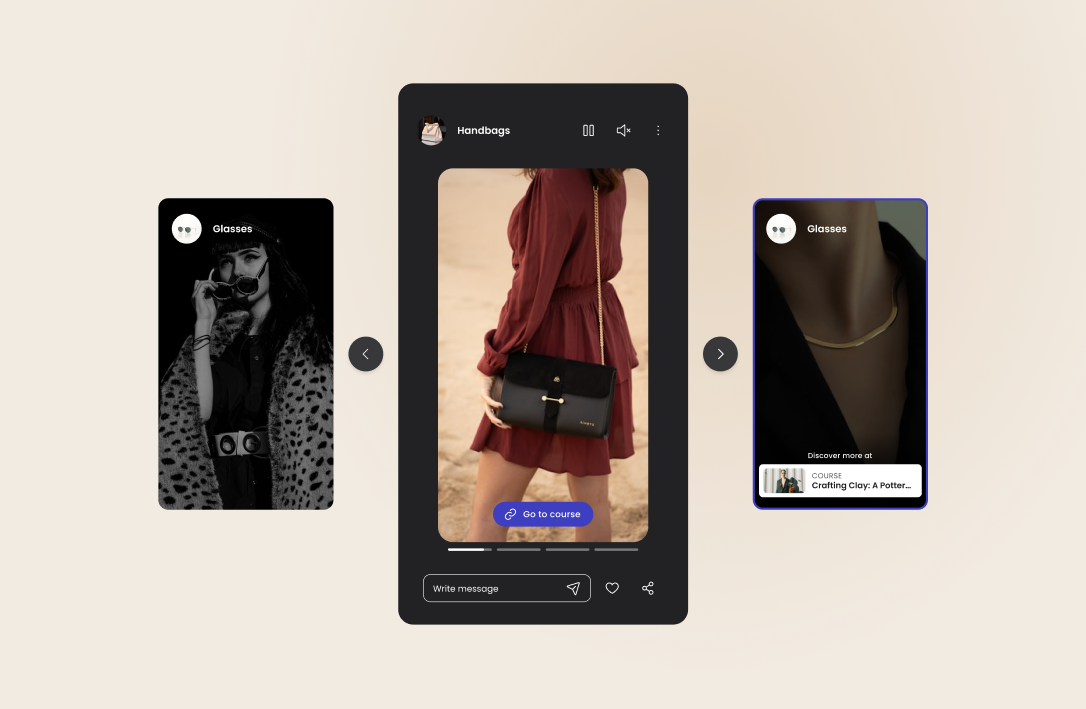
With The Learning Lab's mobile-first LMS, luxury brands can deliver engaging educational experiences directly to employees' smartphones, combining short video lessons, interactive microlearning, product knowledge refreshers, and social learning through InstaLearn. Whether preparing for a new collection launch, reinforcing craftsmanship knowledge, discovering a product story, or reviewing essential clienteling techniques, retail associates can access relevant learning content in just a few minutes.
This approach is particularly valuable for international luxury groups managing extensive boutique networks, franchise partners, and multibrand retail environments. By connecting short, accessible learning moments with structured development pathways, personalised education, and continuous knowledge reinforcement, luxury retail microlearning helps transform training from an occasional activity into an integrated part of everyday professional development.
Key Benefits of Mobile-First Learning for Luxury Retail
Learning Anytime, Anywhere: Give retail associates convenient access to educational content directly from their smartphones, whether in boutiques, during designated training periods, or across international retail networks.
Short, Engaging Microlearning: Deliver focused learning experiences that can be completed in just a few minutes, making education easier to integrate into busy retail schedules.
Video-First Education: Use short videos, product demonstrations, craftsmanship stories, and interactive visual content to make learning more engaging and memorable.
InstaLearn Social Microlearning: Introduce The Learning Lab's InstaLearn experience, featuring visual learning cards, image carousels, vertical videos, and social interactions that encourage continuous knowledge discovery.
Faster Product Launch Training: Distribute educational updates about new collections, product innovations, seasonal campaigns, and brand initiatives across retail teams.
Instant Knowledge Refreshers: Help employees quickly revisit product characteristics, materials, brand heritage, selling techniques, and service standards whenever reinforcement is needed.
Learning at the Point of Need: Make relevant educational resources accessible close to everyday retail activities, supporting better preparation for customer interactions and product presentations.
Interactive Mobile Experiences: Combine video learning with quizzes, hotspots, knowledge checks, and other interactive activities that encourage active participation.
Connected Global Retail Networks: Extend consistent educational experiences across directly operated boutiques, franchise partners, department stores, and international distribution networks.
Personalised Mobile Learning: Provide role-relevant content and structured learning paths adapted to employees' responsibilities, knowledge levels, and development objectives.
From Microlearning to Deeper Education: Connect short learning activities with comprehensive courses, certification programmes, practical exercises, and professional development pathways.
Continuous Learning Engagement: Encourage regular participation through new content, social interactions, learning challenges, and ongoing knowledge reinforcement.
Fully Branded Mobile Academy: Deliver a consistent luxury brand experience through customised interfaces, visual identities, and optional branded mobile applications.
From Occasional Training to Continuous Learning in the Boutique
The future of luxury retail education is not about asking employees to spend more time away from their customers. It is about making learning more accessible, relevant, and naturally integrated into their professional activities. A sales associate preparing for a new collection launch might watch a three-minute product presentation. A watch advisor could revisit an interactive video explaining a particular movement. A beauty consultant might explore an InstaLearn card introducing a new product ingredient, while a boutique manager could share a short educational update with the team.
These small learning moments become particularly valuable when connected to a broader educational strategy. Microlearning should not replace comprehensive training, practical experience, or human coaching. Instead, it should reinforce knowledge, encourage curiosity, and provide accessible entry points into deeper learning journeys.
The Learning Lab combines mobile-first technology, interactive video, InstaLearn, personalised learning paths, and social collaboration within a fully branded digital learning environment. This connected approach enables luxury brands to deliver educational experiences that reflect the reality of frontline retail while supporting continuous professional development across their international networks.
For luxury brands preparing for 2027, mobile-first learning represents more than a technological evolution. It is a strategic opportunity to bring education closer to employees, strengthen everyday product expertise, and build a culture where learning becomes a natural part of delivering exceptional luxury customer experiences.
Social Learning: Connecting Luxury Retail Teams Through Knowledge Sharing and Collaboration
In luxury retail, some of the most valuable expertise comes from experienced colleagues, product specialists, and brand ambassadors who bring craftsmanship, storytelling, and exceptional service to life.
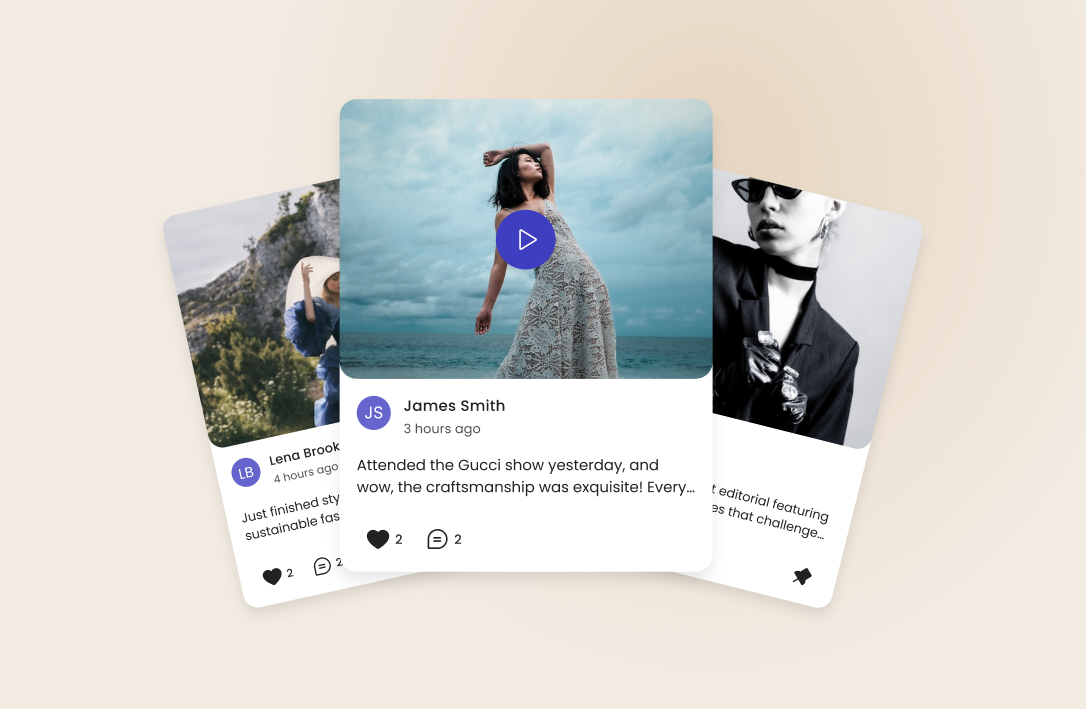
Social learning transforms this individual expertise into collective knowledge, connecting employees across boutiques, markets, and international retail networks. With The Learning Lab's Social Wall, InstaLearn, and collaborative learning features, luxury brands can create engaging professional communities where employees share best practices, discover product insights, participate in expert-led discussions, and learn from one another.
By combining peer-to-peer learning with webinars, workshops, and coaching, a collaborative retail LMS helps strengthen employee engagement, reinforce brand culture, and make continuous learning a shared experience.
Key Benefits of Social Learning for Luxury Retail
Peer-to-Peer Learning: Encourage employees to share practical experience, product knowledge, clienteling techniques, and successful customer engagement approaches.
Social Wall: Create dedicated digital communities where retail teams can exchange insights, ask questions, share updates, and collaborate across boutiques.
InstaLearn: Deliver engaging social microlearning through short videos, visual cards, image carousels, and interactive content that encourages knowledge discovery.
Global Knowledge Sharing: Connect employees across countries, regions, boutiques, and retail partner networks to exchange expertise and best practices.
Expert-Led Learning Communities: Organise Q&A sessions and professional discussions with product specialists, craftspeople, trainers, and brand ambassadors.
Blended Learning Experiences: Combine digital collaboration with webinars, workshops, classroom training, and in-store coaching.
Employee-Generated Content: Empower retail associates to contribute educational insights, product stories, and practical recommendations within brand-approved guidelines.
Stronger Brand Culture: Reinforce shared values, craftsmanship, heritage, and service standards through continuous interaction and collaboration.
Greater Employee Engagement: Encourage participation, recognition, and a sense of belonging within international retail communities.
Continuous Knowledge Development: Transform learning from an occasional training activity into an ongoing exchange of expertise and professional experience.
The Learning Lab brings social learning directly into the luxury retail academy, connecting human expertise, digital collaboration, and mobile-first education. By transforming global retail networks into active knowledge communities, luxury brands can strengthen professional development, inspire employees, and create more consistent, authentic customer experiences.
AI Skills Intelligence: Moving Beyond Course Completion to Real Retail Competencies
In luxury retail, completing a training course does not necessarily mean mastering the knowledge and skills required to deliver exceptional customer experiences.
As brands prepare for 2027, learning strategies must increasingly focus on what employees actually know, what they can do, and which competencies they need to develop. Skills matrices and competency frameworks provide a structured approach to evaluating product knowledge, craftsmanship expertise, selling techniques, clienteling, and service excellence across retail networks. Building on these foundations, AI-powered skills intelligence offers new opportunities to identify knowledge gaps, analyse competency development, and recommend personalised learning experiences.
With The Learning Lab's advanced analytics and evolving AI Skills Intelligence capabilities, luxury brands can move towards a more strategic, data-informed approach to employee development, connecting individual learning progress with professional growth, organisational priorities, and long-term talent development.
Key Benefits of AI Skills Intelligence for Luxury Retail
Retail Competency Matrix: Structure and map essential competencies across product knowledge, brand heritage, craftsmanship, selling techniques, clienteling, and customer service.
Role-Based Skills Frameworks: Define learning and competency expectations for sales associates, client advisors, product specialists, boutique managers, and retail trainers.
Knowledge Gap Identification: Use assessments and learning data to identify areas where individuals or teams may require additional training and reinforcement.
AI-Powered Skills Intelligence: Explore emerging AI capabilities that can analyse learning outcomes, highlight competency gaps, and support more informed development decisions.
Personalised Training Recommendations: Connect identified learning needs with relevant courses, microlearning, interactive activities, and practical coaching opportunities.
Continuous Competency Development: Monitor progress towards defined learning objectives and professional development milestones.
Targeted Retail Coaching: Help boutique managers and trainers identify specific opportunities to strengthen individual and team competencies.
Global Skills Visibility: Compare learning and assessment outcomes across professional roles, boutiques, regions, and international retail networks.
Career Development and Internal Mobility: Use competency frameworks to support professional growth, leadership development, and internal talent progression.
Strategic Workforce Development: Align educational priorities with evolving retail roles, new collections, customer expectations, and organisational objectives.
Data-Informed Learning Decisions: Combine competency frameworks with advanced learning analytics to better understand educational effectiveness and development priorities.
The Learning Lab connects advanced learning analytics with an evolving vision of AI-powered skills intelligence, helping luxury brands move beyond measuring training participation towards understanding and developing workforce competencies. By combining structured skills frameworks, personalised learning, and human coaching, luxury organisations can build more knowledgeable, confident, and adaptable retail teams while supporting long-term professional development.
Advanced Learning Analytics: Connecting Luxury Retail Education with Business Performance
In luxury retail, the success of employee education should be measured by more than course completion rates. Learning & Development leaders increasingly need to understand how training contributes to product expertise, professional competencies, customer experience, and retail performance.
Advanced learning analytics provide valuable insights into employee engagement, knowledge development, and educational effectiveness across international retail networks. With The Learning Lab's Advanced Analytics, luxury brands can monitor participation, completion rates, assessment results, and learning progress across boutiques, markets, and professional roles.
By connecting learning insights with relevant retail indicators, such as customer satisfaction, conversion rates, and sales performance where reliable data is available, organisations can better understand the relationship between education and business outcomes. While training alone cannot explain commercial performance, data-driven retail learning strategies help brands identify knowledge gaps, improve educational programmes, and make more informed investments in employee development.
Key Benefits of Advanced Learning Analytics for Luxury Retail
Learning Engagement Monitoring: Track course participation, completion rates, assessment results, and employee learning progress across retail networks.
Advanced LMS Reporting: Use The Learning Lab's analytics dashboards to gain visibility into educational performance across boutiques, countries, brands, and professional roles.
Knowledge Gap Identification: Analyse assessment outcomes to identify areas where employees need additional product knowledge, skills development, or learning reinforcement.
Cross-Store Performance Comparison: Compare learning engagement and educational results across boutiques, regions, and international markets to identify trends and improvement opportunities.
Training Effectiveness Analysis: Evaluate different learning formats, including interactive videos, microlearning, assessments, and blended learning programmes.
Product Launch Readiness: Monitor training participation and knowledge assessments to better understand how prepared retail teams are for new collections and product introductions.
Targeted Learning Improvements: Identify underperforming courses, knowledge gaps, and educational content requiring updates or additional support.
Retail Training ROI: Explore the relationship between learning investments, employee development, and relevant commercial indicators to support more informed training decisions.
Connecting Learning with Sales Performance: Where appropriate data is available, analyse potential relationships between educational outcomes, conversion rates, average transaction values, and sales performance.
Customer Experience Insights: Examine how training results relate to customer satisfaction, service quality, and clienteling performance, while recognising the influence of other operational factors.
Data-Informed Coaching: Help retail managers and trainers identify opportunities for targeted coaching and continuous professional development.
AI Learning Analytics: Explore the potential of artificial intelligence to identify emerging learning patterns, interpret complex educational data, and support increasingly intelligent training recommendations.
From Measuring Training Activity to Understanding Retail Impact
The future of luxury retail learning analytics is not simply about knowing who completed a course, but about understanding how education contributes to stronger competencies and better customer experiences. By combining learning engagement data, assessment results, and relevant operational indicators, luxury brands can develop a more comprehensive view of their educational strategies. However, commercial outcomes are influenced by many factors, including store location, customer traffic, product availability, pricing, and market conditions. Learning analytics should therefore support evidence-informed decisions rather than automatically attributing sales improvements to training.
The Learning Lab's Advanced Analytics helps luxury brands transform educational data into actionable insights, enabling L&D teams to optimise learning programmes, identify development priorities, and strengthen retail readiness. For luxury organisations preparing for 2027, this represents an important shift from measuring training activity towards understanding learning effectiveness, professional development, and the potential contribution of education to long-term retail performance.
One Global Luxury Academy: Connecting Multiple Maisons, Markets, and Learning Experiences
For international luxury groups, delivering consistent education across multiple Maisons, markets, and retail networks is a complex challenge.
Each brand has its own heritage, craftsmanship, visual identity, product expertise, and customer service philosophy, while global organisations must maintain shared educational standards and operational efficiency. A global luxury LMS must combine centralised learning management with the flexibility to preserve each Maison's unique identity. With The Learning Lab's fully white-label learning platform, luxury groups can create distinctive, branded digital academies within a unified learning ecosystem, supporting different brands, regional organisations, and professional audiences.
Through multilingual learning experiences, AI-assisted translation, flexible content management, and dedicated brand environments, organisations can distribute consistent product knowledge and service standards while adapting educational programmes to local languages, cultures, and market requirements. This approach enables luxury groups to scale international retail education without compromising the creativity, exclusivity, and authenticity that define each Maison.
Key Benefits of a Global Luxury Learning Academy
Fully Branded Digital Academies: Create distinctive learning environments reflecting each Maison's visual identity, typography, colours, imagery, heritage, and brand values.
Multi-Brand Learning Management: Manage multiple Maisons, business units, and regional organisations within a unified learning platform through dedicated brand branches.
Centralised Governance: Maintain global oversight of educational programmes, content distribution, user management, and learning analytics.
Regional Learning Flexibility: Empower local teams to adapt educational experiences to market-specific requirements, cultural expectations, and professional needs.
Multilingual Retail Training: Deliver educational content in multiple languages to support international boutique teams, retail partners, and distribution networks.
AI-Assisted Translation and Localisation: Accelerate multilingual content production while maintaining human validation of product terminology, craftsmanship descriptions, and brand messaging.
Consistent Product Knowledge: Ensure retail associates receive accurate, approved information about collections, materials, product innovations, and brand heritage.
Global Service Excellence: Reinforce shared customer experience standards while respecting local retail practices and cultural differences.
Role-Based Learning Experiences: Adapt training programmes to sales associates, client advisors, boutique managers, product specialists, and regional training teams.
International Product Launch Readiness: Coordinate educational campaigns and new collection training across multiple markets and retail networks.
Cross-Market Learning Analytics: Monitor training engagement, completion, and assessment results across brands, countries, boutiques, and professional roles.
Scalable White-Label Luxury LMS: Expand learning environments to new Maisons, markets, and retail partners without creating disconnected training platforms.
Global Consistency, Individual Brand Identity
The future of international luxury education lies in combining the efficiency of one connected learning ecosystem with the individuality of every Maison. A luxury watch manufacturer, a fashion house, and a premium jewellery brand may belong to the same group, yet each requires a distinctive educational experience reflecting its own craftsmanship, storytelling, and customer relationships.
The Learning Lab brings these requirements together through its white-label, multi-brand architecture, multilingual learning capabilities, AI-assisted content localisation, and advanced analytics. By connecting centralised management with local flexibility, luxury groups can create a global learning strategy that strengthens educational consistency while preserving the identity and exclusivity of each brand.
For luxury organisations preparing for 2027, one global academy does not mean one standardised learning experience. It means one intelligent platform capable of delivering multiple distinctive, personalised, and fully branded educational environments across international markets.
The Human Side of AI: Preserving the Art of Luxury Through Intelligent Learning
Luxury has always been defined by human expertise, exceptional craftsmanship, creativity, emotional intelligence, and the ability to build meaningful customer relationships.
As artificial intelligence transforms retail education, the challenge for luxury brands is not simply to adopt new technologies, but to ensure that innovation strengthens the human qualities that make each Maison exceptional.
Human-centred AI in luxury retail should empower employees to deepen their product knowledge, develop their storytelling abilities, understand customer expectations, and deliver more personalised service. While AI-powered learning platforms can accelerate content creation, personalise educational journeys, and provide instant access to knowledge, they cannot replace the intuition, empathy, cultural sensitivity, and authentic relationships that define luxury experiences.
With The Learning Lab, artificial intelligence works alongside human expertise, combining intelligent learning tools, creative educational experiences, and brand-controlled content within fully customised digital academies. By placing people, craftsmanship, and brand identity at the centre of digital transformation, luxury organisations can embrace responsible AI retail training while preserving the authenticity and emotional connection that make luxury truly distinctive.
Key Benefits of Human-Centred AI in Luxury Retail Education
Preserving Human Expertise: Use AI to support retail professionals while recognising that craftsmanship, experience, intuition, and personal judgement remain essential to exceptional luxury service.
Authentic Brand Storytelling: Protect each Maison's heritage, creative identity, craftsmanship traditions, and distinctive narratives throughout AI-assisted educational experiences.
Emotional Intelligence and Empathy: Reinforce active listening, cultural awareness, customer understanding, and the ability to build meaningful personal relationships.
Human Validation of AI Content: Ensure that product specialists, trainers, and brand experts review AI-generated educational materials for accuracy, relevance, authenticity, and consistency.
Responsible AI Governance: Establish clear guidelines for AI-generated content, approved knowledge sources, human oversight, and appropriate use of intelligent learning technologies.
Data Privacy and Confidentiality: Protect employee information, customer data, and confidential brand knowledge through appropriate access controls and responsible data management.
Creativity and Educational Excellence: Allow AI to accelerate repetitive production tasks while empowering L&D teams to focus on instructional design, storytelling, and engaging learning experiences.
AI as a Learning Companion: Use intelligent knowledge assistants and personalised learning tools to support employees without replacing human trainers, mentors, or experienced colleagues.
Human Coaching and Mentorship: Combine AI-supported role-play, interactive simulations, and personalised learning with practical coaching and professional feedback.
Brand-Controlled Learning Experiences: Maintain full control over visual identity, educational messaging, product information, and the values communicated through digital learning environments.
Technology Supporting Human Relationships: Use AI to make knowledge more accessible and training more relevant, allowing retail associates to dedicate greater attention to meaningful customer interactions.
Balancing Innovation and Tradition: Connect emerging AI capabilities with the craftsmanship, heritage, and service philosophy that define luxury brands.
The Future of Luxury Is Human, Empowered by AI
Artificial intelligence can make luxury retail education faster, smarter, and more personalised, but it is human expertise that transforms knowledge into exceptional customer experiences. A watch advisor does not simply explain a movement; they communicate the passion, precision, and craftsmanship behind it. A fashion advisor does more than present a collection; they interpret a creative vision and connect it with a customer's individuality. These experiences depend on empathy, authenticity, and professional judgement—qualities that technology should reinforce rather than replace.
The Learning Lab embraces this human-centred vision of AI-powered luxury education, bringing together intelligent content creation, conversational knowledge assistance, interactive learning, social collaboration, and advanced analytics while preserving the essential role of trainers, brand experts, and retail professionals.
For luxury brands preparing for 2027, the objective is not to replace human excellence with artificial intelligence, but to use AI to develop, amplify, and celebrate the human expertise that makes luxury exceptional.
Preparing for 2027: Five Strategic Priorities for Luxury L&D Leaders
The transition towards intelligent retail education requires a coordinated learning strategy, not simply the introduction of AI features.
Recommended priorities:
Modernise the learning ecosystem: Connect content, knowledge, learning experiences, and reporting.
Empower education teams with AI: Accelerate content production while preserving creative and editorial control.
Personalise employee development: Move towards role-based learning and competency-driven pathways.
Bring learning closer to the boutique: Combine mobile education, AI knowledge assistance, and practical coaching.
Measure skills and business relevance: Establish meaningful learning indicators and continuously improve training strategies.
Conclusion: The Learning Lab — Building the Next Generation of Intelligent Luxury Retail Academies
As luxury brands prepare for 2027, retail education is entering a new era where artificial intelligence, human expertise, creativity, and personalised professional development come together to redefine how employees learn and grow.
The future of luxury training is no longer about delivering more courses or simply measuring completion rates. It is about creating continuous, intelligent learning experiences that empower retail professionals to develop their knowledge, strengthen their competencies, and deliver exceptional customer experiences. The Learning Lab brings together AI-powered content creation, personalised learning paths, conversational AI Knowledge Assistants, interactive video, and engaging educational experiences within a unified, mobile-first learning ecosystem.
Through social collaboration, peer-to-peer knowledge sharing, and InstaLearn, luxury brands can connect employees across boutiques and international markets, transforming individual expertise into collective knowledge. Advanced Analytics and emerging AI-powered skills intelligence create further opportunities to identify knowledge gaps, guide professional development, and connect learning strategies with organisational objectives. At the same time, The Learning Lab's fully white-label architecture ensures that every Maison can preserve its unique identity, heritage, craftsmanship, and storytelling within a distinctive digital academy.
The future of luxury retail education is not about replacing human expertise with artificial intelligence, but about using intelligent technology to amplify creativity, strengthen professional excellence, and make learning more meaningful. As a retail-first, AI-powered learning platform, The Learning Lab helps luxury brands move beyond traditional eLearning towards connected, personalised, and continuously evolving educational experiences that support both employee development and exceptional customer service.
Ready to shape the future of luxury retail learning? Discover The Learning Lab and explore how our AI-powered, fully branded learning platform can help your Maison build the next generation of intelligent luxury retail academies.