

Why Generic LMS Platforms Fail Luxury Retail Training
Why Generic LMS Platforms Fail Luxury Retail Training and What Luxury Brands Should Expect from Modern Learning Experiences
Luxury Retail Is Not Corporate Training
Most Learning Management Systems on the market were originally designed to support corporate learning objectives such as compliance training, HR onboarding, policy communication, and certification management.
While these platforms perform well in traditional office environments, they often fail to address the unique realities of luxury retail. Luxury brands are not simply training employees to complete courses they are developing brand ambassadors, storytellers, product experts, and client advisors capable of delivering exceptional customer experiences.
Their learning objectives are fundamentally different, their audiences operate in fast-paced retail environments, and their customers expect emotion, expertise, and personalisation. In this context, learning can no longer be reduced to course administration and completion tracking.
Luxury brands need immersive learning experiences that reflect their identity, reinforce their values, and help retail teams transform product knowledge into meaningful customer interactions. The challenge is clear: luxury retail does not need another corporate LMS it needs a learning ecosystem designed around brand experience, engagement, and retail excellence.
Discussion Points
Different learning objectives
Different audiences
Different customer expectations
Importance of brand experience
Challenge
Luxury brands need learning experiences, not course management systems.
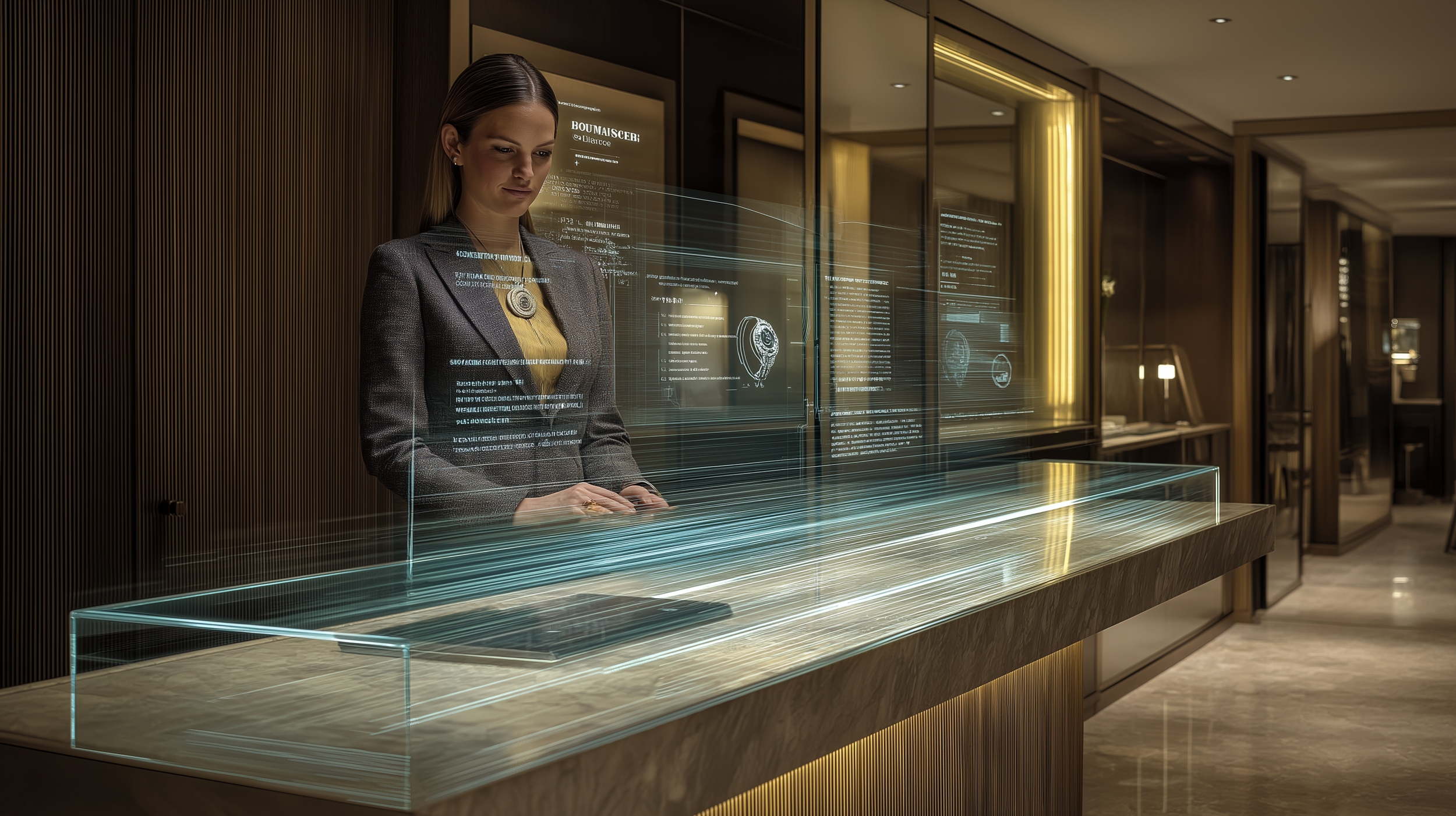
The Problem with Generic LMS Platforms
Most traditional LMS platforms were built with administration, compliance tracking, and reporting in mind.
Their primary objective is often to manage users, assign courses, and monitor completion rates rather than create engaging learning experiences. As a result, many of these platforms rely on generic user interfaces, standardized layouts, and functional but uninspiring learner journeys.
For luxury brands that invest heavily in design, storytelling, and customer experience, these corporate-looking environments can feel disconnected from the brand universe they work so hard to create. Limited customization options, weak branding capabilities, and outdated mobile experiences further contribute to the problem, making learning feel like an obligation rather than an opportunity.
The consequence is often low learner engagement, reduced adoption rates, and training programs that struggle to generate enthusiasm among retail teams. In an industry where emotion, aesthetics, and experience are critical, a generic LMS can unintentionally undermine the very values that luxury brands seek to cultivate.
Common Limitations
Generic user interfaces
Limited branding capabilities
Corporate-looking experiences
Poor mobile experiences
Lack of emotional engagement
Consequence
Low adoption and limited learner enthusiasm.
Luxury Retail Is Built on Emotion
Luxury products are rarely purchased solely because of their technical features or functional benefits.
Clients are drawn to the stories behind the creations, the heritage of the Maison, the craftsmanship of the artisans, and the emotions that a product inspires. Whether it is a watch, a handbag, a fragrance, or a piece of jewellery, luxury retail is fundamentally built on storytelling, aspiration, and personal connection.
This is why successful retail advisors are not simply product experts—they are storytellers capable of transforming features into meaningful narratives and creating memorable experiences for clients. However, this is where many generic LMS platforms fall short. Designed primarily to distribute information and track course completions, they excel at delivering facts but struggle to convey emotion.
They can explain what a product is, but rarely help learners understand why it matters. Luxury brands therefore need learning experiences that immerse retail teams in the heritage, craftsmanship, values, and emotional universe of the brand, enabling them to create authentic client connections and elevate every customer interaction beyond a simple transaction.
Discussion Points
Brand heritage
Craftsmanship
Product storytelling
Clienteling
Emotional selling
Challenge
Generic LMS platforms are designed to deliver information, not emotion.
Why Brand Experience Matters in Learning
Luxury brands understand that every interaction shapes perception. From boutique design and packaging to digital experiences and customer service, every touchpoint is carefully crafted to reflect the identity, values, and aspirations of the Maison. Learning should follow the same philosophy.
When retail teams access a training platform, they should immediately feel connected to the brand they represent. The learning experience should be as thoughtfully designed as the customer experience itself.
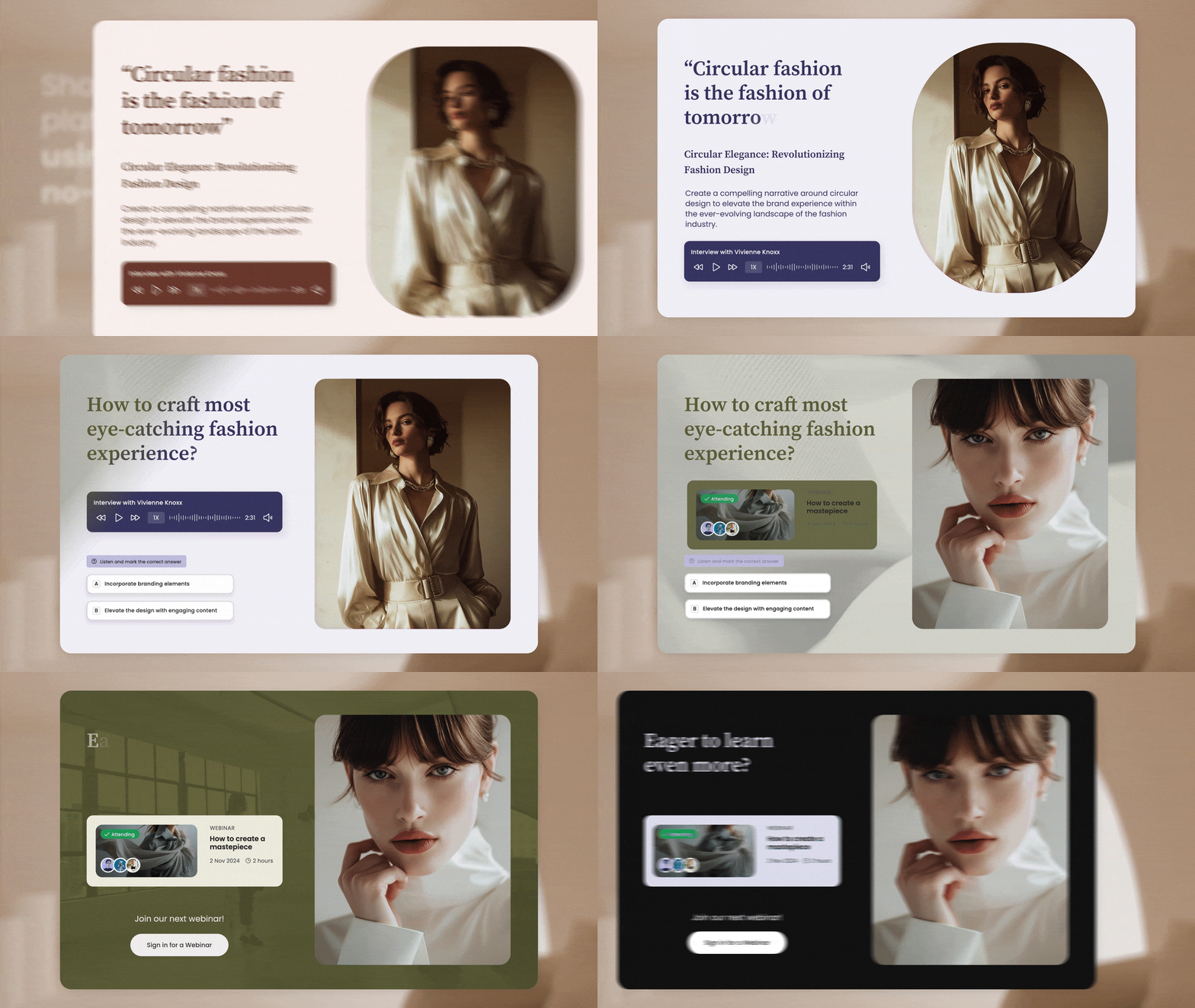
A branded learning environment goes far beyond simply adding a logo to a platform. It incorporates the Maison’s typography, visual identity, imagery, navigation, tone of voice, and overall aesthetic to create a seamless extension of the brand universe. The objective is to immerse learners in the culture, heritage, and values of the brand while reinforcing a sense of belonging and pride. Every screen, interaction, and learning journey should contribute to strengthening the emotional connection between employees and the Maison.
This level of immersion is particularly important in luxury retail, where advisors are expected to embody the brand and deliver experiences that reflect its standards. A generic corporate learning environment can create a disconnect between training and reality, while a fully branded experience helps employees internalize the brand’s identity and better understand the role they play in representing it.
When learning feels like an authentic extension of the Maison, engagement naturally increases. Employees are more likely to return to the platform, consume content, participate in learning activities, and take pride in their development. Ultimately, branded learning transforms training from a mandatory activity into a meaningful brand experience that supports both employee engagement and retail excellence.
Key Elements of a Branded Learning Experience
Brand typography and visual language
Custom colors, imagery, and iconography
Personalized navigation and user journeys
Premium and immersive design standards
Brand-aligned tone of voice and storytelling
Rich media experiences including video and interactive content
Collection and campaign-specific learning environments
Consistent experience across desktop and mobile devices
Learning Goal
Create pride, engagement, and brand immersion by transforming learning into a natural extension of the Maison’s identity, culture, and customer experience.
Generic LMS Platforms Were Not Built for Retail Teams
Retail teams operate in a learning environment that is fundamentally different from that of office-based employees.
Their day is driven by customer interactions, product presentations, store operations, and sales opportunities, leaving very limited time for traditional training activities. Unlike corporate employees who may dedicate scheduled hours to learning, retail advisors often need to access information quickly, consume content in short bursts, and learn while remaining focused on serving clients. This reality has become even more challenging as product launches accelerate, collections evolve more frequently, and brands expand across increasingly complex global retail networks.
Yet many traditional LMS platforms were designed decades ago with a corporate audience in mind. Their architecture is often centered around lengthy courses, desktop-based experiences, and administrative workflows rather than the realities of frontline retail. Learning is frequently organized around course catalogs and completion requirements instead of providing immediate, practical support that can be applied directly on the sales floor.
Luxury retail teams require a different approach. They need mobile-first learning experiences that fit naturally into their daily routine, allowing them to quickly access product information, discover new collections, complete short learning modules, and stay informed about brand updates from anywhere. They need learning platforms capable of supporting rapid product launches across multiple markets, onboarding new employees efficiently, and maintaining engagement despite high turnover rates that are common within retail environments.
The challenge is that many generic LMS platforms remain course-centric rather than learner-centric. They focus on delivering content instead of supporting performance. As a result, learning often feels disconnected from the realities of boutique life, reducing engagement and limiting its impact on customer experience. To truly support retail excellence, learning platforms must be designed around the way retail teams actually work, learn, and interact with clients every day.
Retail Learning Realities
Limited time available for training
Learning often occurs between client interactions
Mobile-first content consumption
Frequent product launches and collection updates
Continuous onboarding of new employees
High staff turnover in certain retail environments
Global store networks requiring consistent training
Need for instant access to product knowledge
Learning directly linked to sales performance and customer experience
The Challenge
Traditional LMS platforms were built for desks and departments. Modern retail teams need learning platforms designed for boutiques, product launches, mobility, and customer-facing excellence.
Product Knowledge Requires More Than Documents
In luxury retail, product knowledge is one of the most powerful drivers of customer confidence, brand credibility, and sales performance.
Advisors are expected to master an extraordinary level of detail, from the history of a collection and the inspiration behind a design to highly technical subjects such as watch complications, gemstone characteristics, fragrance composition, skincare ingredients, or artisanal manufacturing techniques. More importantly, they must be able to communicate this expertise naturally and confidently during client conversations.
The challenge is that true product mastery cannot be achieved through documentation alone. Many traditional LMS platforms rely heavily on PDF libraries, PowerPoint presentations, and static learning modules as their primary method of knowledge transfer. While these resources can serve as useful references, they rarely create the depth of understanding required in luxury retail environments. Reading about a tourbillon is very different from seeing it operate. Reviewing a document about leather craftsmanship is not the same as watching an artisan explain the process. Understanding a fragrance requires more than memorizing notes—it requires understanding the emotion, inspiration, and story behind its creation.
Luxury advisors need learning experiences that allow them to explore products, interact with content, and engage with the stories behind each creation. Product launches, collection updates, limited editions, beauty innovations, and new craftsmanship techniques require training formats that bring products to life. Interactive videos, product hotspots, expert masterclasses, visual demonstrations, storytelling exercises, and scenario-based learning all contribute to building genuine expertise and confidence.
Ultimately, the goal is not simply to help advisors remember product information. The goal is to help them transform knowledge into meaningful client conversations. When advisors deeply understand a product, they can adapt their message, answer questions with confidence, communicate value more effectively, and create the emotional connections that drive luxury purchasing decisions.
Product Knowledge Challenges in Luxury Retail
Frequent product launches and collection updates
Complex watch movements and complications
Craftsmanship and manufacturing processes
Beauty, skincare, and fragrance expertise
Precious materials and gemstones
Brand heritage and collection storytelling
Limited editions and exclusive creations
Technical knowledge combined with emotional selling
Why Generic LMS Platforms Fall Short
Heavy reliance on PDFs and static documents
Limited opportunities for product exploration
Weak storytelling capabilities
Lack of immersive learning experiences
Minimal interaction with products and craftsmanship
Insufficient support for confidence-building and client conversations
The Real Objective
Luxury product training should not focus on helping advisors memorize information—it should help them develop the expertise, confidence, and storytelling skills required to bring products to life for clients.
The Rise of Video-First Learning
Luxury products are designed to be seen, experienced, and admired.
Their value often lies in details that are difficult to communicate through text alone: the movement of a watch complication, the brilliance of a diamond, the craftsmanship of a leather artisan, the texture of a cosmetic product, or the inspiration behind a new collection. As a result, video has become one of the most effective learning formats for luxury retail training, enabling brands to transform product education into immersive and engaging experiences.
Unlike traditional learning materials, video combines storytelling, visuals, sound, and emotion to create a deeper connection with learners. It allows advisors to observe products in motion, discover the people behind the craftsmanship, and better understand the expertise, heritage, and innovation that define luxury creations. More importantly, video helps learners retain information more effectively by transforming abstract concepts into memorable experiences.
The evolution of learning technology has taken video even further through interactive formats. Modern luxury learning experiences now include interactive videos that encourage participation, product hotspots that reveal hidden details, video-based assessments that validate knowledge, expert masterclasses led by specialists, and product demonstrations that showcase craftsmanship and functionality. These formats encourage active learning rather than passive consumption, helping advisors engage more deeply with content and build greater confidence in their product knowledge.
For luxury brands, video is not simply a content format—it has become a strategic tool for storytelling, product education, and retail excellence. By bringing products to life visually, brands can accelerate learning, increase engagement, and ensure that retail teams are better prepared to create meaningful customer experiences.
Modern Video Learning Formats
Interactive videos with embedded quizzes and knowledge checks
Product hotspots that reveal features, materials, and craftsmanship details
Video assessments to validate product expertise
Expert masterclasses and interviews
Product demonstrations and launch presentations
Behind-the-scenes craftsmanship and manufacturing content
Collection storytelling and brand heritage videos
Clienteling and sales conversation simulations
Benefits of Video-First Learning
Higher learner engagement
Stronger knowledge retention
Better understanding of complex products
Faster onboarding and product launch readiness
More immersive storytelling experiences
Improved advisor confidence
Increased accessibility through mobile devices
Consistent training across global retail networks
Learning Outcome
Video-first learning transforms luxury product education from information delivery into immersive storytelling, helping advisors better understand, remember, and communicate the value behind every creation.

Mobile-First Learning Is No Longer Optional
Luxury retail does not happen behind a desk it happens on the sales floor, in boutiques, during client appointments, and in the moments that matter most to the customer experience.
Retail advisors spend the majority of their time interacting with clients, presenting products, and representing the brand, leaving very little opportunity for traditional classroom training or lengthy desktop-based learning sessions. As a result, learning solutions must adapt to the realities of retail rather than expecting retail teams to adapt to the platform.
Today’s retail employees expect the same level of convenience and accessibility from learning as they do from the apps they use every day. They want to access information instantly, consume content in short and engaging formats, and learn whenever it fits naturally into their schedule. Whether preparing for a new collection launch, refreshing product knowledge before a client appointment, or discovering the latest campaign, learning must be available anytime and anywhere.
This shift has accelerated the adoption of mobile-first learning strategies. Microlearning modules, smartphone-friendly content, push notifications, instant updates, and offline access allow brands to continuously educate their teams without disrupting daily operations. Instead of requiring advisors to dedicate hours to training, learning becomes integrated into the rhythm of retail life through short, relevant, and actionable experiences.
Unfortunately, many traditional LMS platforms were originally designed for office-based employees and desktop environments. Mobile functionality was often added later rather than being part of the original design philosophy. This frequently results in poor user experiences, difficult navigation, slow performance, and content that is not optimized for mobile consumption. For frontline teams, these limitations can significantly reduce engagement and learning effectiveness.
Luxury brands need learning platforms that are designed mobile-first from the ground up. Platforms that recognize that retail employees are constantly moving, working across multiple locations, and balancing learning with customer service. The future of retail training belongs to solutions that place learning directly into the hands of employees wherever they are.
Essential Mobile-First Learning Capabilities
Smartphone and tablet learning experiences
Microlearning and short-form content
Instant access to product information
Push notifications for launches and updates
Offline learning capabilities
Mobile video learning and assessments
Fast and intuitive navigation
Seamless learning across devices
Benefits for Retail Teams
Learn anytime, anywhere
Reduce time away from the sales floor
Improve training completion rates
Accelerate product launch readiness
Increase engagement and participation
Support continuous learning habits
Deliver knowledge exactly when needed
Enhance overall learning accessibility
Learning Outcome
Mobile-first learning enables luxury retail teams to stay informed, confident, and client-ready by delivering knowledge in the flow of work, directly on the devices they use every day.
Why Social Learning Matters in Retail
Some of the most valuable learning in retail does not come from formal training programs it comes from colleagues.
Every day, experienced advisors discover new ways to present products, overcome objections, create memorable customer experiences, and adapt brand storytelling to different client profiles. These insights are often developed on the sales floor through real interactions and can become an incredibly powerful source of knowledge for the wider organization.
Luxury retail, in particular, relies heavily on human interaction, observation, and experience sharing. The way a top-performing advisor introduces a new collection, explains a watch complication, presents a fragrance, or builds an emotional connection with a client can provide valuable inspiration for others across the network. Social learning creates opportunities to capture and distribute this expertise, transforming individual knowledge into collective knowledge.
Modern learning platforms enable this through community spaces, video discussions, peer-generated content, best practice sharing, store-to-store collaboration, mentoring initiatives, and collaborative learning activities. Instead of learning being limited to top-down content delivered by the organization, knowledge can flow in every direction, creating a more dynamic and engaging learning culture.
This approach is particularly valuable in global retail organizations where teams are distributed across countries, languages, and markets. Social learning helps connect employees who may never meet in person, allowing them to share experiences, discuss challenges, celebrate successes, and learn from one another. It strengthens engagement, encourages collaboration, and helps create a stronger sense of belonging across the organization.
Unfortunately, many traditional LMS platforms were designed around content distribution rather than community building. Their focus remains on courses, assignments, and completion tracking, offering limited opportunities for interaction and peer-to-peer learning. As a result, organizations often miss the opportunity to leverage one of their most valuable learning resources: their own people.
Examples of Social Learning in Retail
Sharing best practices between advisors and stores
Video discussions around product launches
Peer-generated product tips and recommendations
Community forums and discussion groups
Store-to-store collaboration initiatives
Success story sharing
Expert-led Q&A sessions
Coaching and mentoring programs
Benefits of Social Learning
Accelerates knowledge sharing
Encourages collaboration across markets
Increases learner engagement
Creates a stronger learning culture
Captures frontline expertise
Supports onboarding and continuous development
Builds confidence through peer support
Strengthens employee connection and belonging
Learning Outcome
Social learning transforms training from a one-way communication process into a collaborative knowledge ecosystem where retail teams learn from each other, share expertise, and continuously improve together.
AI Is Changing Retail Learning
Artificial Intelligence is rapidly transforming the way retail teams access, consume, and apply knowledge.
In luxury retail environments, advisors are expected to master an ever-growing volume of information, from product launches and collection updates to craftsmanship details, clienteling techniques, and brand storytelling. Yet in the fast-paced reality of the sales floor, there is rarely time to search through lengthy manuals, navigate complex course catalogs, or wait for formal training sessions. Advisors increasingly need instant access to the right information at the right moment.
This is where AI is creating a fundamental shift. Rather than treating learning as a destination where employees complete courses and return to work, AI enables learning to become an always-available companion that supports performance in real time. Advisors can ask questions naturally, receive immediate answers, discover relevant content, and access product expertise whenever they need it. Learning becomes embedded directly into the daily retail workflow.
Modern AI-powered learning ecosystems are introducing capabilities that were unimaginable only a few years ago. AI knowledge assistants can instantly answer product questions and guide learners to the most relevant resources. Personalized learning journeys can automatically recommend content based on an employee’s role, performance, interests, or learning history. Adaptive learning paths can identify knowledge gaps and dynamically adjust training experiences to focus on the areas where support is most needed.
AI also has the potential to transform content creation itself. Learning teams can generate quizzes, knowledge checks, learning paths, summaries, translations, and training materials significantly faster than before. This allows organizations to react more quickly to product launches, collection updates, and changing business priorities.
However, while AI presents extraordinary opportunities, many legacy LMS platforms struggle to integrate these capabilities in a meaningful way. Because they were originally designed around static courses and traditional content management, AI is often added as a superficial feature rather than becoming a core component of the learning experience. As a result, organizations may miss the full potential of AI-driven learning and performance support.
The future belongs to learning platforms that use AI not simply to automate tasks, but to create more intelligent, personalized, and accessible learning experiences that help retail teams perform at their best.
Emerging AI Capabilities in Retail Learning
AI-powered knowledge assistants
Instant product and brand Q&A
Personalized learning recommendations
Adaptive learning journeys
Automated knowledge gap identification
Product recommendation support for retail teams
AI-generated quizzes and assessments
Automated content summaries and translations
Intelligent search across learning resources
Real-time learning and performance support
Benefits for Luxury Retail Organizations
Faster access to product expertise
Improved advisor confidence
Reduced time spent searching for information
More personalized learning experiences
Faster onboarding and product launch readiness
Increased learner engagement
Greater learning efficiency and scalability
Continuous support directly on the sales floor
Learning Outcome
AI transforms learning from a scheduled activity into a real-time performance support system, giving luxury retail advisors instant access to the knowledge, guidance, and recommendations they need to deliver exceptional customer experiences.

What Luxury Brands Should Look for Instead
If generic LMS platforms were not designed for the realities of luxury retail, what should brands be looking for instead?
The answer is not simply a better LMS it is a learning ecosystem specifically designed around retail operations, brand experience, product storytelling, and employee engagement. Luxury brands invest heavily in creating exceptional experiences for their customers, and the same philosophy should apply to their learning platforms. The ideal solution should help transform retail employees into knowledgeable product experts, confident storytellers, and passionate brand ambassadors.
Modern luxury retail learning requires far more than course administration and completion tracking. It demands a platform capable of supporting frequent product launches, global retail networks, mobile-first learning habits, and highly immersive brand experiences. Learning should feel like a natural extension of the Maison, reflecting its identity, values, aesthetics, and standards at every stage of the learner journey.
Beyond delivering knowledge, the platform should help create engagement, encourage collaboration, support performance on the sales floor, and provide instant access to information when advisors need it most. It should empower brands to create rich learning experiences that combine video, storytelling, social interaction, AI-powered support, and modern content formats designed specifically for frontline teams.
Essential Capabilities of a Modern Luxury Retail LMS
Fully Branded Learning Environments
The platform should be a true extension of the Maison, incorporating brand typography, visual identity, imagery, navigation, tone of voice, and design standards to create a seamless and immersive brand experience.
Mobile-First Learning
Learning should be accessible anytime and anywhere through smartphones and tablets, allowing retail teams to learn in the flow of work without disrupting daily operations.
Interactive Video Learning
Luxury products are visual and experiential. Interactive videos, product demonstrations, hotspots, assessments, and expert masterclasses help bring products, craftsmanship, and heritage to life.
Instalearning & Nanolearning
Short, engaging learning experiences inspired by modern content consumption habits allow employees to quickly discover new collections, product launches, and brand updates in just a few minutes.
Scenario-Based Learning
Realistic retail situations help advisors practice client conversations, product recommendations, objection handling, storytelling, and customer experience skills in a safe learning environment.
Social Learning & Community Engagement
Retail excellence is often shared between peers. Community discussions, best practice sharing, video conversations, and collaborative learning experiences help accelerate knowledge transfer across global store networks.
AI-Powered Learning Support
AI assistants can provide instant answers to product questions, recommend relevant learning content, personalize learning journeys, and support retail teams with real-time knowledge access.
Product Launch Management
Luxury brands require the ability to rapidly deploy training for new collections, limited editions, seasonal campaigns, and product innovations across multiple markets and languages.
Retail-Specific Analytics
Beyond completion rates, brands need insights into product certifications, launch readiness, engagement levels, video performance, confidence scores, and learning impact on retail performance.
Integrated Content Creation Tools
The ability to quickly create, update, translate, and distribute learning content internally allows brands to remain agile and responsive to changing retail needs.
The Future of Luxury Retail Learning
The most successful luxury brands are moving away from generic learning systems and toward platforms designed specifically for retail environments. These solutions combine brand experience, storytelling, mobile accessibility, social engagement, AI support, and content creation into a single ecosystem that supports both employee development and business performance.
Learning Goal
The ideal luxury retail LMS should not simply manage training—it should create immersive brand experiences, accelerate product expertise, support retail excellence, and help transform employees into confident and inspiring brand ambassadors.
Conclusion: Luxury Training Requires Luxury Learning Experiences
Final Thought
Luxury brands invest heavily in designing extraordinary customer experiences. Their learning platforms should reflect the same level of attention to detail, storytelling, aesthetics, and emotional engagement.
The future of luxury retail training belongs to platforms built specifically for retail environments where learning becomes a true extension of the brand experience rather than simply another corporate system.