

From Scrolling to Learning: How Social Media Can Reinvent Retail Training
We spend hours scrolling through Instagram, TikTok, YouTube and other social platforms. Why? Because they have mastered something that traditional eLearning still struggles with: capturing attention, creating engagement and encouraging people to come back.
What Social Media Taught Us About Engagement and Why Retail Training Should Pay Attention? So, what if we applied the same principles to retail training?
At The Learning Lab, we believe the future of learning is not about asking employees to spend more time in front of a screen. It's about making every minute of learning more engaging, relevant and memorable.
Here are 7 lessons retail training can learn from social media.

1. InstaLearning — From Passive Scrolling to Active Learning
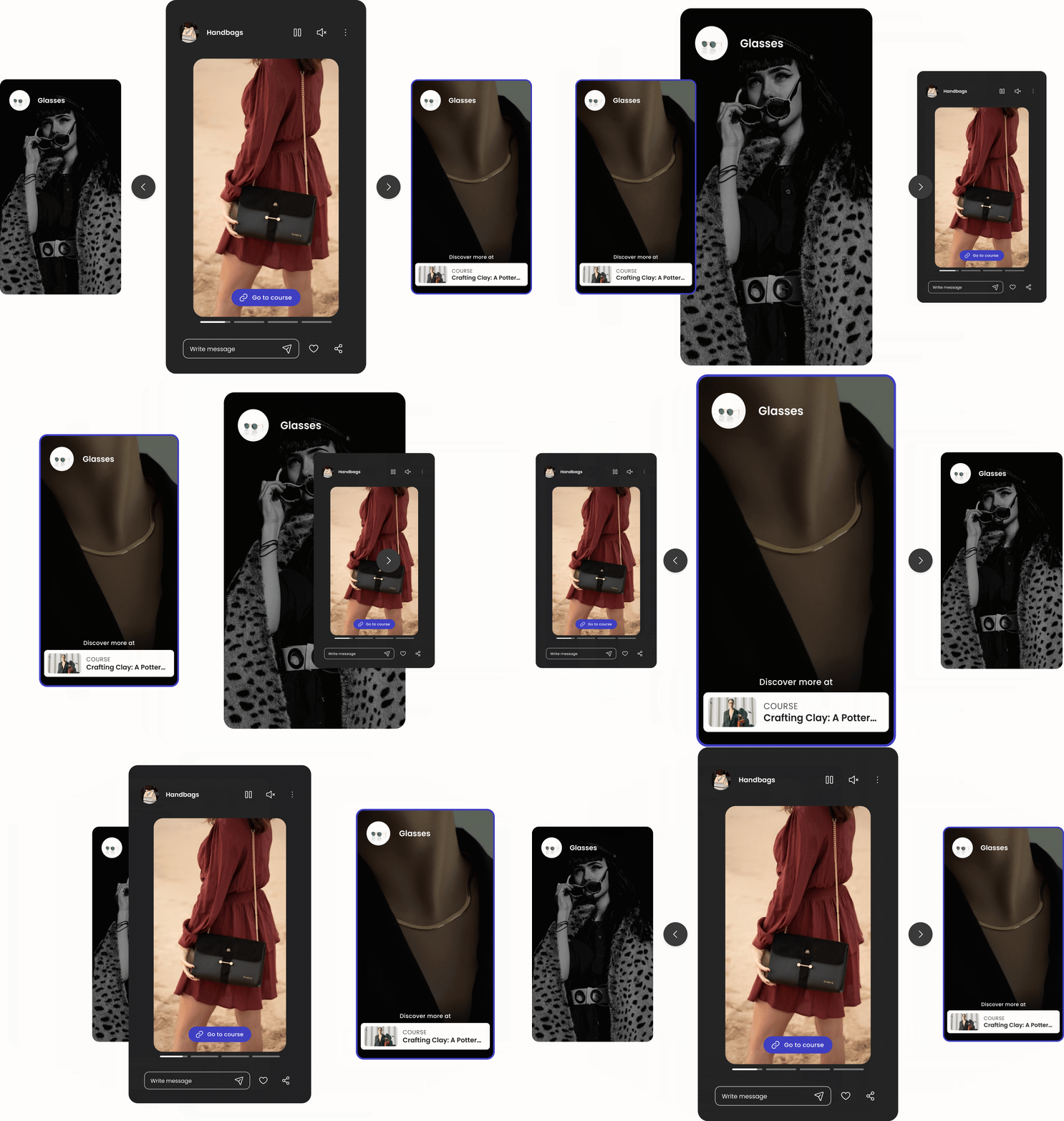
What if we could transform addictive scrolling into an engaging and meaningful learning habit? Social media has mastered the art of capturing attention through short, visually compelling and instantly accessible content.
With The Learning Lab's InstaLearning, we bring this experience into retail education, transforming passive scrolling into active knowledge discovery. Imagine retail employees exploring a continuous feed of engaging microlearning content, discovering a new product feature, a selling technique, a brand story or a memorable fact in just a few seconds. Each interaction is designed to spark curiosity, reinforce essential knowledge and encourage employees to keep learning. But the objective is not simply to consume more content.
InstaLearning creates a bridge between quick knowledge discovery and deeper education, allowing learners to move naturally from a short, engaging interaction to a more comprehensive course or learning experience. By combining the familiarity of social media with the purpose of professional development, The Learning Lab makes learning more accessible, spontaneous and relevant to the daily reality of retail teams.
The ambition is simple: transform the habit of scrolling into the habit of learning — turning moments of attention into opportunities for knowledge, confidence and professional growth.
What if we could transform addictive scrolling into an engaging learning habit?
Imagine short, visually appealing learning experiences delivering one powerful message, one product insight or one memorable fact in just a few seconds.
Like Instagram, but with a purpose: turning passive consumption into active knowledge acquisition.
And when learners want to explore further, each short interaction can lead them towards more comprehensive training.
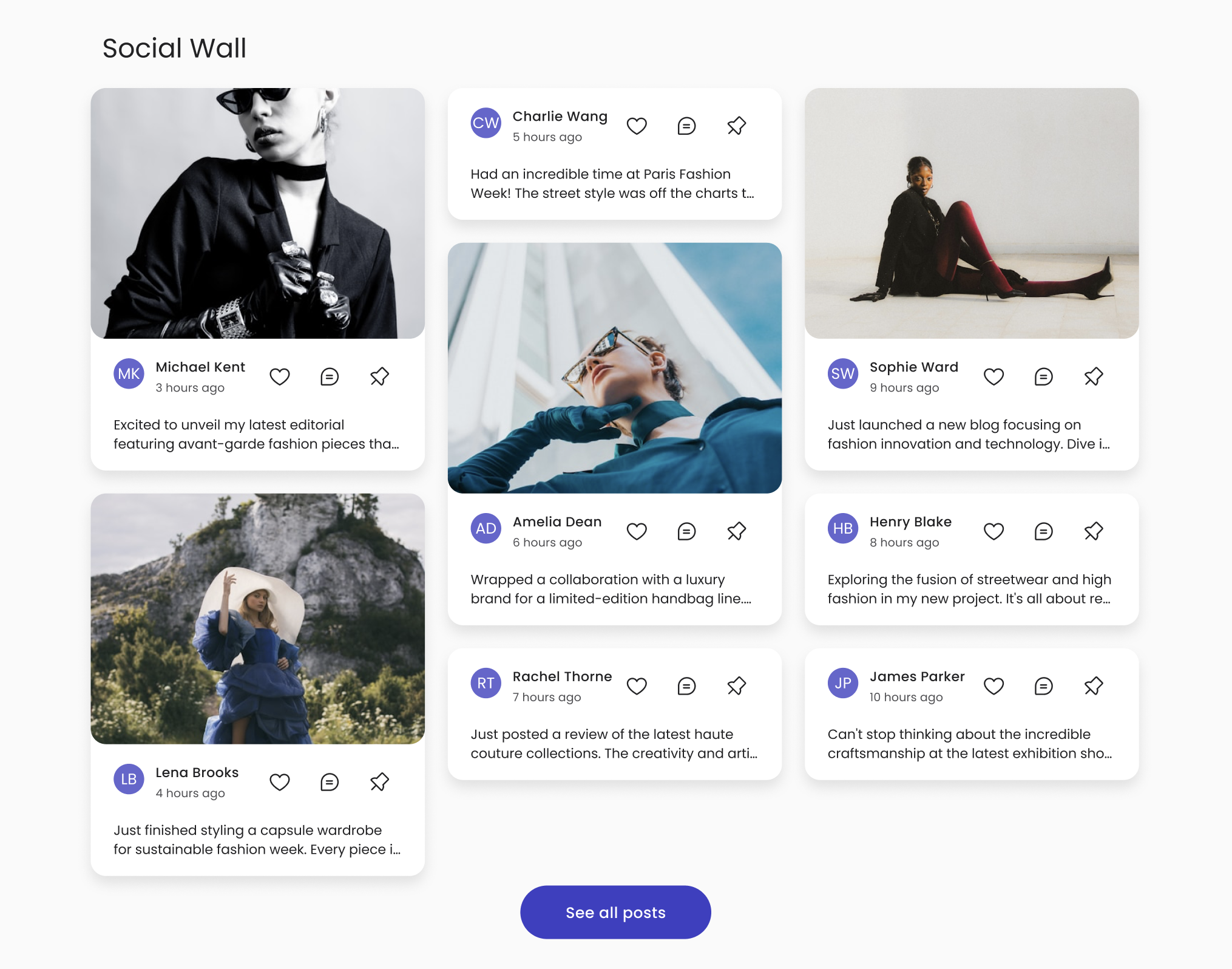
2. Social Walls - Everyone Becomes a Content Creator
Why should knowledge always flow from headquarters to stores when some of the most valuable expertise comes directly from the people interacting with customers every day?
Inspired by the collaborative and creative dynamics of social media, The Learning Lab's Social Walls transform retail training into an interactive experience where every employee can become a content creator, knowledge contributor and brand ambassador.
Imagine fashion advisors sharing their latest styling combinations, beauty specialists demonstrating application techniques, luxury retail teams presenting new collections or store employees showcasing successful customer experiences. Through photos, short videos, discussions, challenges and collaborative activities, employees can share practical insights, inspire colleagues and contribute to a continuously evolving knowledge community.
Social Walls also create opportunities for headquarters, trainers and product experts to engage directly with frontline teams, encourage participation and highlight best practices across international markets. Beyond content sharing, this approach strengthens employee recognition, creativity and a sense of belonging, transforming learning from an individual obligation into a collective experience.
The objective is to move beyond traditional top-down education and create a culture where knowledge flows in every direction — connecting people, celebrating expertise and turning everyday retail experiences into valuable learning opportunities. Because knowledge is no longer simply distributed. It is created, shared and enriched by the people who bring the brand to life every day.
Make the section more conciseAdd a stronger retail-specific example
Why should knowledge always flow from headquarters to stores?
With Social Walls, retail employees can share their expertise, create looks, demonstrate products, showcase successful customer experiences and participate in collaborative activities.
The entire retail community becomes an active contributor to learning.
Knowledge is no longer simply distributed. It is created, shared and enriched by the people who use it every day.
3. Learning Flix - Bringing TikTok and Netflix into Education
What if discovering a training video were as simple, intuitive and engaging as browsing TikTok or Netflix?
Video has become one of the most powerful ways to capture attention, communicate ideas and inspire audiences, yet traditional eLearning platforms often make video content difficult to discover and access.
With The Learning Lab's Learning Flix, we bring the familiar experience of modern video platforms into retail education, creating a dedicated, visually engaging environment where employees can easily explore, watch and revisit educational content. Imagine a personalised video library featuring product demonstrations, expert interviews, styling tutorials, selling techniques, craftsmanship stories, customer service tips and new collection presentations, all organised into intuitive categories and accessible directly from a smartphone. Short-form videos make it possible to discover valuable information in just a few moments, while longer educational content allows learners to explore topics in greater depth.
For retail brands, Learning Flix also creates an opportunity to transform existing video assets into a dynamic and accessible knowledge resource, making expertise available beyond individual training sessions or product launches. By combining the engaging nature of social video with the structured purpose of professional education, The Learning Lab helps employees find relevant content faster, revisit essential knowledge and integrate continuous learning into their daily routines.
Because the future of video-based retail training is not simply about producing more content - it is about making knowledge easier to discover, more enjoyable to explore and more memorable to apply. Less searching. More watching. More learning.
Make the opening more directReduce repeated video references
Video has become one of the most powerful ways to capture attention and communicate information.
Inspired by the accessibility of TikTok and the content discovery experience of Netflix, Learning Flix creates a dedicated environment for video-based education.
Product demonstrations, expert interviews, selling techniques, brand storytelling and short tutorials become easy to discover, watch and revisit.
Less searching. More watching. More learning.
4. Video Chat & Messaging — Learning Is a Conversation
What if every training course became the starting point for a meaningful conversation rather than an isolated learning experience?
Social platforms such as WhatsApp and Instagram have transformed the way we communicate, making it natural to ask questions, exchange ideas, react to content and share experiences instantly. Yet traditional eLearning often remains a one-way process where employees complete a course, pass an assessment and move on without further interaction.
With The Learning Lab's integrated communication and collaboration features, we bring the conversational dynamics of social media directly into retail education. Imagine a beauty advisor asking colleagues for advice after completing a product training module, a fashion specialist sharing a successful styling approach, or a store manager initiating a discussion about how to apply a new selling technique. Through messaging, video conversations and course-related discussions, learners can connect with trainers, product experts and colleagues, transforming individual learning into a continuous exchange of knowledge.
These interactions also create valuable opportunities for coaching, clarification and peer-to-peer support, helping employees move beyond simply understanding information towards applying it confidently in real customer situations. For international retail brands, this approach can strengthen connections between headquarters and stores, encourage collaboration across markets and make expertise more accessible throughout the organisation. The real power of social learning lies in transforming content into conversation, conversation into shared knowledge, and shared knowledge into practical skills. Because a course should be the beginning of a conversation, not the end of it.
Think about WhatsApp, Instagram or any social platform.
People don't just consume content. They react, ask questions, share opinions and exchange experiences.
Why should eLearning be different?
By integrating discussions, messaging and video conversations around courses, learning becomes a collaborative experience where employees can exchange ideas, ask questions and learn from one another.
A course should be the beginning of a conversation, not the end of it.
5. Gamification — Learn, Play and Challenge
Mobile games have mastered engagement through interaction, challenges and immediate feedback.
Retail training can benefit from the same principles.
Imagine one-to-one knowledge battles where colleagues challenge each other, test their product expertise, compete in friendly quizzes and learn through play.
Gamification creates opportunities to practise knowledge, reinforce memory and make learning enjoyable.
Because learning can be serious without always feeling serious.
6. Communities — Building Connections Around Knowledge
What if retail training could create the same sense of connection, belonging and shared enthusiasm that makes social media communities so powerful?
Social platforms have demonstrated that people engage more naturally when they share common interests, exchange experiences and feel part of a community.
At The Learning Lab, we believe retail education should embrace this principle by creating dedicated learning communities where employees can connect beyond individual courses, stores and geographical boundaries. Imagine beauty advisors exchanging application techniques, fashion specialists discussing new styling trends, store managers sharing leadership practices, or product experts answering questions from colleagues across international markets. Through dedicated discussion spaces, collaborative activities, knowledge-sharing initiatives and ongoing conversations, communities become dynamic environments where employees can ask questions, contribute ideas, celebrate achievements and learn from one another.
They also create valuable opportunities for brands to connect headquarters with frontline teams, encourage cross-market collaboration and capture practical knowledge that might otherwise remain within individual stores. Beyond professional development, learning communities help strengthen employee engagement, recognise expertise and reinforce the values, heritage and identity that make each brand unique.
The ambition is to transform retail training from a collection of individual learning activities into a living knowledge ecosystem where every employee can contribute, collaborate and grow. Because the most powerful learning experiences do more than transfer information — they connect people, inspire participation and turn shared expertise into a stronger, more connected brand culture.
Add a concrete community exampleClarify the community benefitsShorten the conclusion
Social media succeeds because it brings people together around shared interests.
Retail education should do the same.
Imagine communities where beauty advisors, fashion specialists, store managers and product experts can create discussions, exchange best practices, explore new ideas and collaborate across countries.
Learning becomes more than an individual activity.
It becomes a shared experience that connects people, expertise and brand culture.
7. Mobile-First — Designed for the Way People Actually Learn
What if retail training were designed with the same attention to user experience, simplicity and accessibility as the world's most popular mobile applications?
One of the most important lessons we can learn from social media is that mobile is not simply another device — it is the foundation of the entire experience. Platforms such as Instagram, TikTok and WhatsApp have mastered intuitive navigation, engaging visual content, effortless interactions and instant access to information.
At The Learning Lab, we believe retail education should follow the same philosophy. Retail employees spend most of their working day interacting with customers, presenting products and delivering exceptional service, not sitting behind a computer. Their learning experience must therefore adapt to their daily reality, offering immediate access to knowledge whenever and wherever it is needed. Imagine a beauty advisor watching a short product demonstration before a customer consultation, a fashion specialist exploring a new collection through interactive content, or a store manager reviewing team progress and sharing coaching feedback directly from a smartphone.
A truly mobile-first learning environment combines short-form content, vertical videos, intuitive navigation, interactive activities, social collaboration, messaging and personalised learning journeys into one seamless experience. It also requires thoughtful design, with layouts, typography, animations and interactions specifically optimised for mobile rather than simply resized from desktop. By reducing friction between employees and the knowledge they need, mobile-first education makes continuous learning more accessible, practical and naturally integrated into everyday retail activities.
Because mobile-first should never mean squeezing traditional eLearning onto a smaller screen. It means reimagining the entire learning experience around how people discover information, communicate, interact and learn in today's mobile world.
There is one final lesson we cannot ignore.
Social media is built around the mobile experience.
Retail training should be too.
Intuitive navigation, engaging visuals, short interactions, accessible videos and seamless communication are essential for employees who spend most of their working day serving customers rather than sitting behind a desk.
Mobile-first should not simply mean making desktop training fit on a smaller screen. It means designing the entire learning experience around mobile behaviour.
The Future of Retail Learning Is Social, Interactive and Human.
At The Learning Lab, we are bringing together these principles to rethink how retail employees discover knowledge, connect with colleagues and develop their expertise.
The objective is not to make training addictive for the sake of engagement.
It is to transform the power of social media engagement into meaningful learning, stronger knowledge retention and better customer experiences.
Because the real question is no longer whether retail employees have time to learn.
It's whether we can make learning as accessible, engaging and natural as the digital experiences they already love.
What do you think? Should retail training take more inspiration from social media?