

5 Effective Ways to Create Engaging Eyewear Product Training
5 Creative Ways to Build Engaging Eyewear Product Training Experiences
How missions, badges, short challenges, and community recognition make eyewear learning memorable.
Eyewear is a category where product knowledge has to feel both precise and graceful. A store advisor may need to explain lens benefits, compare frame materials, guide fit, read style preference, and still keep the consultation elegant enough to match the brand experience.
That is why gamification in eyewear should never look childish. The strongest retail learning systems use recognition, progression, and challenge to sharpen attention and recall, while keeping the visual tone, pacing, and language aligned with premium service standards.
The Learning Lab feature set is especially useful for this because it already includes mobile app access, push notifications, learning paths, social learning, community chat, interactive assessments, branching, video tests, badges, reporting, and manager visibility inside a branded environment.
This changes the purpose of gamification. It stops being a layer of entertainment added after the fact and becomes a structured way to help teams practise frame matching, lens recommendation, styling judgement, and consultation readiness with more consistency and more energy.
For eyewear brands, that matters because the category lives at the intersection of fashion, technical authority, and personal advice. If staff are expected to remember more and perform better, the training environment has to reward mastery in a way that feels premium rather than loud.
Frame matching missions that train the eye
Lens recommendation scenarios that build judgement
Styling challenges that turn community into learning culture
Badges and leaderboards built around mastery, not noise
Reporting and coaching loops that keep gamification credible
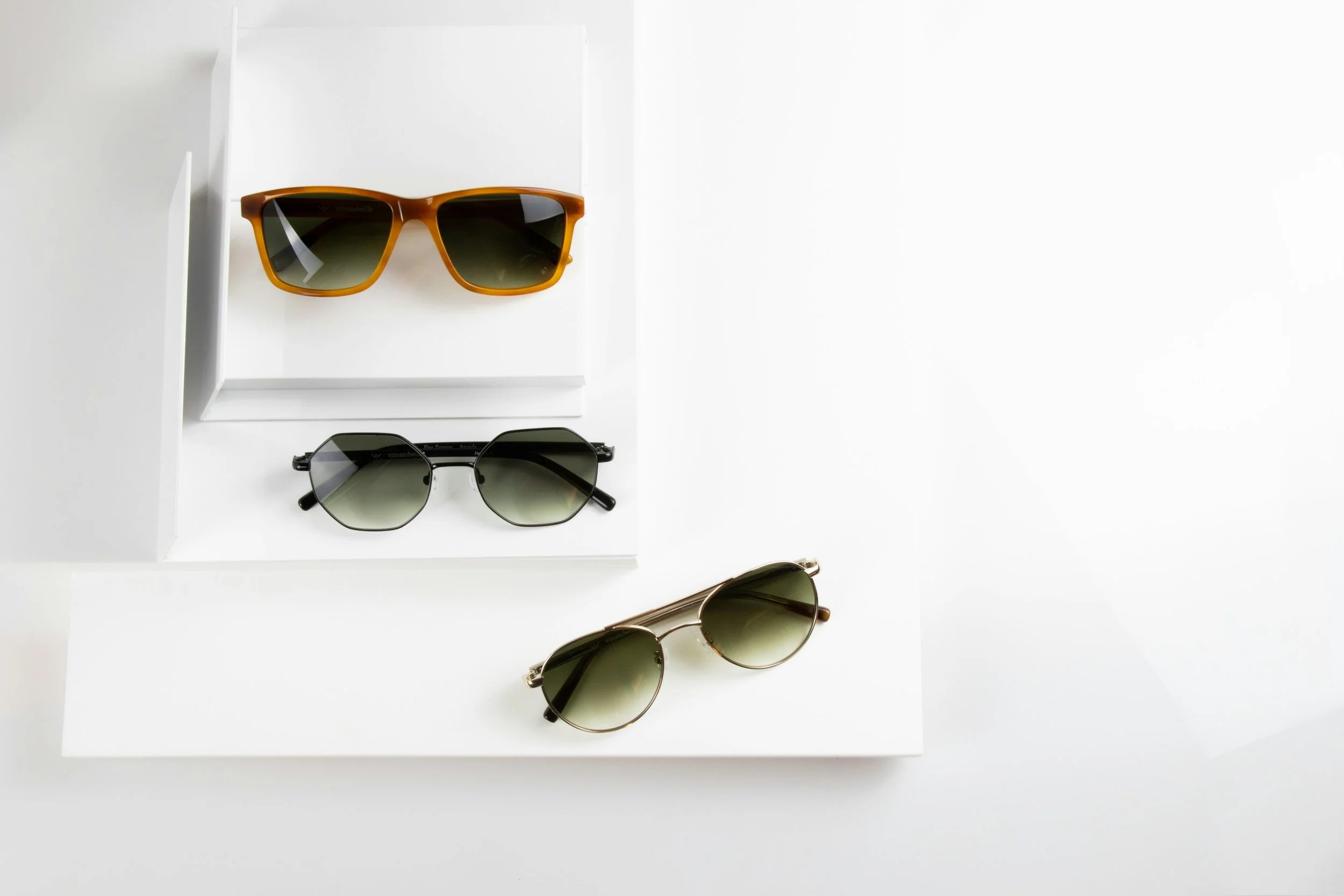
1. Frame matching missions that train the eye
The first job of gamification in eyewear is to sharpen visual attention without reducing style judgement to a guessing game.
One of the best premium uses of gamification in eyewear is the frame matching mission. The goal is simple: help teams notice the details that make one frame more convincing than another for a certain face, mood, collection, or client profile.
The Learning Lab gives brands the right tools for this through interactive assessments, hotspots, quizzes, flash cards, authoring tools, page builder, and video based learning. Those features allow a brand to create short visual missions where the learner studies shape, bridge, temple line, color balance, and collection codes with more focus than a static PDF could ever create.
A luxury fashion eyewear brand, for example, could build a mission around three client personas. One wants a discreet elegant frame for daily wear, one wants a sharper fashion statement, and one wants a seasonal sunwear piece that feels bold but not excessive. The learner must choose the best frame for each persona and explain why.
That is already a game structure, but it still feels refined because the task reflects the actual consultation. It asks for judgement, not speed alone, and it teaches staff that frame styling is about proportion, identity, and brand language rather than simple personal taste.
The mobile format makes this even stronger. Because The Learning Lab includes a mobile app, offline access, and short InstaLearning moments, a brand can send one frame mission before opening or ahead of a launch so the team sharpens its eye in a few focused minutes.
A sports eyewear version of the same mission could work differently. Instead of style first matching, the learner might compare wrap shape, grip, coverage, and likely use case, then match the right frame to running, cycling, or general outdoor activity. That keeps the game relevant to the category while still training observation.
Use hotspots to make learners identify the visual details that define the frame.
Use persona based quizzes so frame choice always connects to a client story.
Deliver short missions through mobile learning so repetition feels natural.
Adapt the same mission logic for fashion frames and performance frames with different criteria.
Frame matching works because it respects the real nature of eyewear retail. Advisors are not just recalling product names. They are training the eye to notice what matters before they speak.
2. Lens recommendation scenarios that build judgement
Eyewear teams do not only need to know what a lens does. They need to know when and how to recommend it with confidence.
The second premium use of gamification is the lens recommendation scenario. This is where eyewear learning becomes more technical, and it is also where many brands risk becoming dry if the content is delivered as a flat product sheet.
The Learning Lab features make a much stronger approach possible. Branching, interactive decision points, quizzes, video tests, live exams, learning paths, and hybrid adaptive learning allow brands to turn lens education into realistic choice based missions rather than passive reading.
A high quality scenario might begin with a client brief. One customer wants sun protection for city travel, another wants high comfort for long drives, and a third wants performance eyewear for cycling. The learner then chooses the most suitable lens type, explains the reason, and handles an objection about price, clarity, or practicality.
This is where gamification becomes truly useful. The challenge structure creates tension, the branching path creates consequence, and the scoring or badge element rewards not only completion but strong judgement under realistic conditions.
It also preserves elegance because the scenario mirrors the consultation itself. A premium client does not want a technical lecture. The advisor has to translate lens logic into language that feels helpful, calm, and credible, and a scenario based mission can train that translation much more effectively than a knowledge dump.
Travel retail gives another excellent example. A learner receives a short mission about a rushed traveler choosing sunglasses before boarding. The task is to identify the fastest useful recommendation, explain the value clearly, and avoid overwhelming the client with too much detail. That is gamification built around channel reality, not around abstract scoring.
Use branching scenarios for city, travel, and sport lens recommendation cases.
Reward strong explanation, not just the final answer.
Keep the mission short enough to fit the pace of retail.
Use adaptive learning so repeated errors trigger a more focused follow up path.
Lens missions help because they transform technical knowledge into practical choice. In eyewear, that is the real test of expertise. The advisor must know the lens, read the need, and explain the value without losing elegance.
3. Styling challenges that turn community into learning culture
Community based gamification can make eyewear learning more alive, as long as the challenge feels curated rather than noisy.
Eyewear is highly social because recommendation quality often depends on how style is interpreted and communicated. That makes community learning especially valuable, not as casual chatter, but as a space where people share strong examples of taste, language, and consultation thinking.
The Learning Lab supports this with social learning, chat, audio and video chat, group spaces through branching, direct notifications, and content sharing around courses and learning paths. These features make it possible to build community challenges that stay tied to the brand and the product rather than drifting into generic conversation.
A luxury sunwear brand could create a weekly styling challenge in which advisors upload a short video or written recommendation for a selected frame. The prompt might ask them to style the frame for a minimalist client, a fashion forward traveler, or a customer who wants a bold silhouette but fears it may be too much.
That kind of challenge does several things at once. It makes people create rather than just consume, it exposes the team to different ways of expressing the same product truth, and it turns peer recognition into a learning mechanism.
The premium detail is curation. The challenge should not reward noise, volume, or theatricality. It should reward accuracy, elegance, brand fit, and the ability to make a recommendation sound natural and convincing.
A sports eyewear version could ask teams to post the clearest customer friendly explanation of why one frame suits trail running while another suits cycling or general outdoor use. A travel retail version could focus on how to make a fast style recommendation for a customer with only a minute to decide.
This is where community recognition becomes powerful. The best contributions can be highlighted by managers or HQ, shared within the platform, and linked to badges or progression milestones so participation feels meaningful rather than cosmetic.
Build weekly styling challenges around real client types and real products.
Use social learning spaces to collect short videos, voice notes, or written pitches.
Reward quality of explanation and brand tone rather than pure activity.
Use different prompts for fashion, sport, and travel retail so the challenge reflects actual selling contexts.
Community styling challenges work when they feel like an extension of brand culture. They should create belonging, recognition, and sharper judgement, not a flood of empty interaction.
4. Badges and leaderboards built around mastery, not noise
Recognition can fit luxury eyewear very well when it signals expertise and readiness instead of childish competition.
Many premium brands hesitate around badges and leaderboards because they picture something bright, loud, and disconnected from the tone of the house. That hesitation is understandable, but it misses an important point. Recognition is not the problem. Poorly designed recognition is the problem.
The Learning Lab is well suited to a more refined version because the platform combines branded environments, learning paths, certifications, mobile access, manager views, reporting, and gamified features like badges and leaderboards inside a retail first structure.
In eyewear, the most interesting badges are not generic participation tokens. They should represent concrete forms of mastery such as frame styling confidence, lens recommendation accuracy, fit guidance readiness, launch certification, or travel retail consultation speed.
That instantly changes the tone. A badge becomes a visible sign that the learner has reached a standard the brand values. It feels closer to a professional credential than to a playful sticker, especially when it is linked to performance in scenarios, video tests, or manager validation.
Leaderboards can work in the same way. Instead of ranking people by raw points, a brand could rank stores by launch readiness, by percentage of team certification on a new lens story, or by community challenge quality during a seasonal styling campaign.
A fashion eyewear example might reward the store with the strongest styling challenge performance across a collection launch. A sports eyewear example might reward the team with the highest accuracy in performance lens scenarios. A travel retail example might spotlight the location that completed all quick consultation missions before peak holiday traffic.
Manager visibility matters here because recognition should feed coaching, not just publicity. The platform allows store and manager views on learner progress, which means a badge or leaderboard result can become the starting point for follow up support, not just a scoreboard.
Design badges around concrete expertise such as styling, lenses, fit, or launch readiness.
Use leaderboards for stores or teams when the goal is shared discipline and consistency.
Keep the visual and verbal tone aligned with the brand world.
Let managers use recognition as part of coaching and progression.
In luxury eyewear, prestige matters because it reflects effort and discernment. That is why badges and leaderboards can work so well when they honor genuine mastery rather than surface activity.
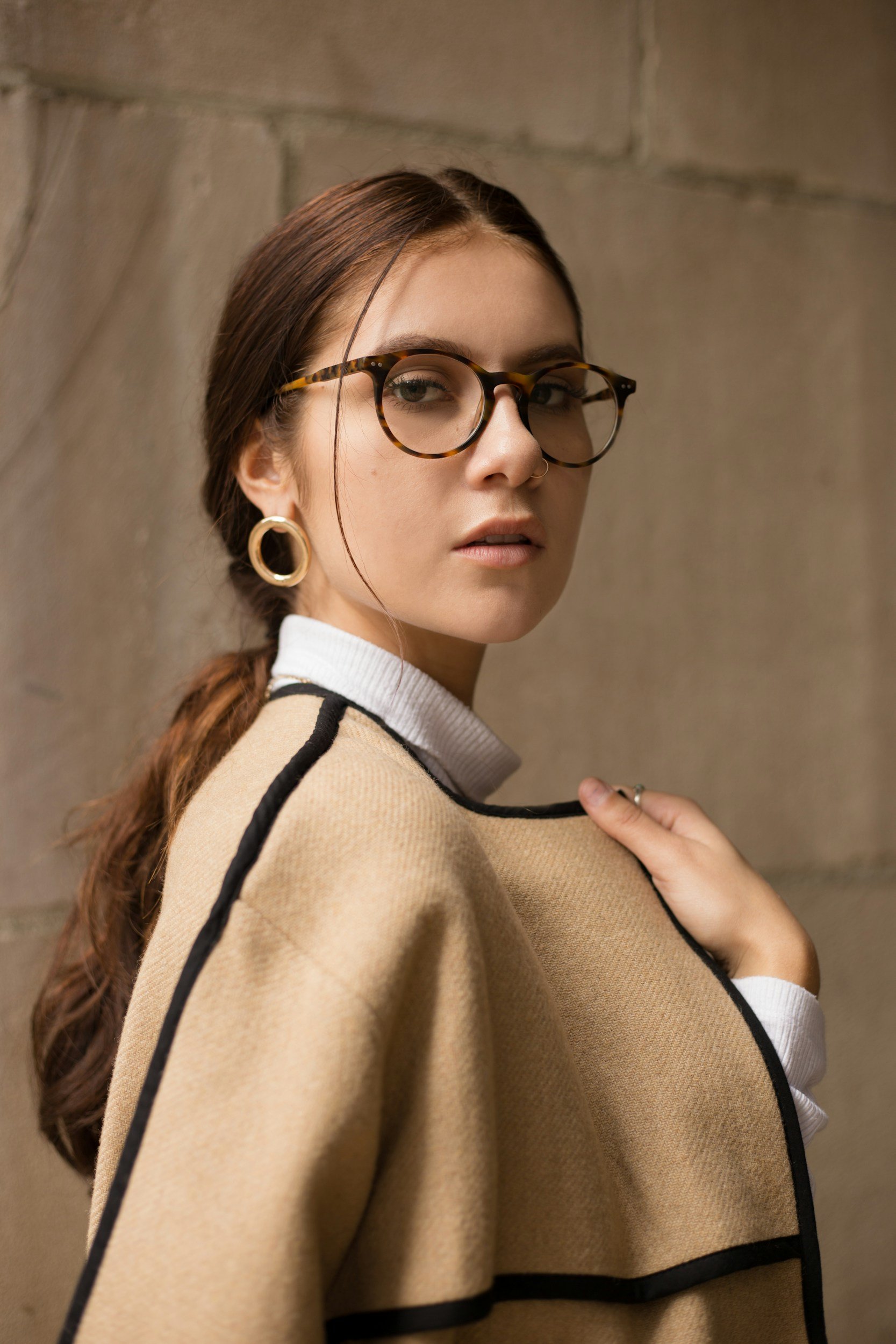
5. Reporting and coaching loops that keep gamification credible
Gamification only earns its place when the brand can see what it improves and where more support is still needed.
The final chapter is the one that makes the whole strategy commercially believable. If a gamified learning system cannot show what teams learned, where performance improved, and which stores still need support, it risks becoming decoration instead of discipline.
The Learning Lab addresses this with reporting and analytics, richer reporting, learning path reports, notification tracking, group metadata, project management, and mobile manager views. Together these features turn gamified learning into something measurable and operational.
In eyewear, that means a brand can launch a frame matching mission, track completion by channel, see which persona based choices caused the most mistakes, and then assign a coaching follow up to the teams that need help.
The same logic works for lens scenarios. HQ can compare stores, identify where recommendation accuracy is weak, and push a short remedial mobile lesson or coaching task before the next launch window.
This data loop is especially useful when the brand operates across different channels. Fashion boutiques, sports specialists, and travel retail counters should not be judged by identical challenges alone, but they can still be compared through readiness, engagement, and mission quality inside their own paths.
Coaching is what keeps the loop human. The platform includes video coaching, social learning, and manager oversight, which means a low score does not have to end as a number. It can lead to a better conversation, a stronger example, and a more targeted next challenge.
A good final example is launch week. HQ releases a new eyewear capsule path with styling missions, lens scenarios, and a community challenge. Reporting then shows which stores are fully certified, which teams opened the push notifications, which questions were missed most often, and where a manager should step in before the campaign goes live.
Use reporting to see whether missions are completed and understood.
Compare challenge outcomes by channel, store, or partner group.
Turn weak results into targeted coaching rather than passive observation.
Use notifications and manager views to keep the momentum active during launches.
Gamification becomes premium when it is governed well. The brand should know what the challenge is improving, how recognition is influencing engagement, and where coaching is needed to turn a good score into a better consultation.
Gamifying eyewear product knowledge works best when the system rewards discernment, not noise. Frame matching missions, lens recommendation scenarios, styling challenges, mastery badges, and store leaderboards can all raise engagement and retention, but only when they are built around real consultation behavior and shaped by the codes of the brand.
That is why The Learning Lab feels like the perfect pick for this LMS environment. Its retail first feature set already combines branded design, mobile learning, community spaces, interactive assessments, branching scenarios, video coaching, recognition systems, and rich reporting in a way that supports gamification with elegance and operational control.
For eyewear brands, that combination is rare and valuable. It means product training can become more memorable, more social, and more measurable without losing the refinement that premium consultations require.
Conclusion: Turning Eyewear Training into a Performance Driver
Creating engaging eyewear product training is no longer about delivering information it’s about designing experiences that help teams understand, apply, and confidently recommend products in real client situations.
By combining visual learning, interactivity, real-life scenarios, and continuous reinforcement, brands can transform training into a true lever of performance on the shop floor.
The five approaches outlined here all point in the same direction: training must be dynamic, mobile, and experience-driven, aligned with how retail teams actually work and learn. When done right, it not only improves product knowledge, but also strengthens clienteling, styling confidence, and overall customer experience.
This is exactly where The Learning Lab proves to be a perfect solution. With its retail-first approach, powerful authoring tool, interactive formats, and mobile-first experience, it enables brands to turn eyewear training into engaging, fully branded learning journeys. From interactive video and product deep dives to blended learning and community engagement, it provides everything needed to bring training closer to real store performance.
The brands that succeed are not the ones who train more but the ones who train better, by creating learning experiences that truly reflect how products are sold, styled, and experienced every day.
