

The Best LMS Built for Electric and Hybrid Vehicle Training
How the Automotive Sector can elevate their sales
How automotive brands can train dealership teams on charging, range, battery logic, and customer confidence without overwhelming the sales conversation
Electric and hybrid vehicle retail has changed the learning and development agenda for automotive brands. Dealership teams are no longer expected to explain only trims, engines, and options. They now need to guide conversations around charging, range, battery care, software, energy use, and the broader ownership experience in a way that feels clear, calm, and commercially useful.
That is exactly why electric vehicle training and hybrid vehicle training need a more specialized model than traditional automotive onboarding. The challenge is not only technical complexity. It is the need to turn technical complexity into customer confidence without making the sales conversation feel heavy or intimidating. A retail-first, boutique LMS such as The Learning Lab is especially relevant in this space because its automotive learning position is built around practical retail execution, branded learning, and training structures designed for customer-facing teams rather than generic office learning.
For automotive groups, this makes the LMS decision strategic. The right platform helps dealership teams explain EV and hybrid topics more confidently, reduce hesitation, support stronger handovers, and create more consistency across showroom, delivery, and aftersales touchpoints. The wrong platform turns training into a content archive that does little to improve real client conversations.
Why electric and hybrid products need a new training model
Explaining charging, range, and battery care in product training
Handling customer hesitation around EV adoption through learning
Structuring learning for showroom, handover, and aftersales
Why data dashboards enable real training
Interactive learning for technical confidence and explanations
Automotive brands should stop treating EV learning as a product add-on and start treating it as a core retail capability that affects confidence, conversion, and long-term customer trust.
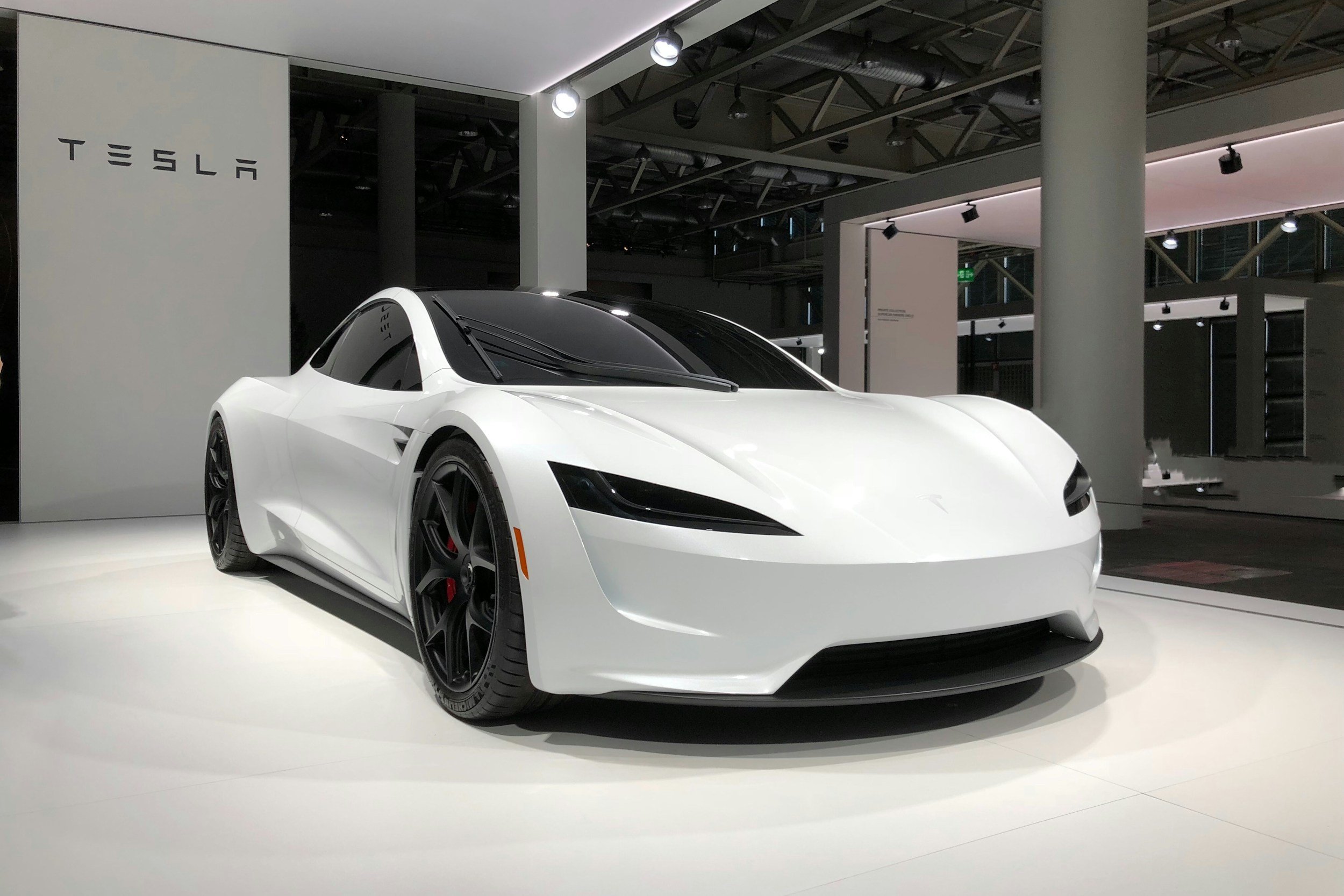
Why electric and hybrid products need a new training model
New powertrains change not only the product story, but the way the product has to be explained.
Electric and hybrid vehicles create a very different retail conversation from traditional automotive categories. Customers often need guidance on topics that go beyond the car itself, including charging habits, home setup, real-life range, battery behavior, and how the ownership experience changes over time. That means the dealership advisor is not simply presenting a vehicle. They are helping the customer interpret a new mobility model.
This is why older automotive training structures are often too narrow for the category. A product sheet and a launch deck may support basic recall, but they rarely prepare teams to explain EV or hybrid logic in a way that feels relaxed and credible. The Learning Lab’s automotive and EV-related content already points toward the need for more responsive, retail-focused digital learning that supports fast updates, stronger product understanding, and customer journey execution across dealership networks.
A stronger learning model should therefore be built around the real questions customers bring to the showroom. Instead of training teams only on specifications, brands need to train them on interpretation, reassurance, and practical recommendation skills. That is where learning and development becomes commercially useful in electric and hybrid retail.
EV and hybrid categories introduce new customer questions and new decision barriers.
Traditional vehicle training formats are often too static for this level of complexity.
Dealership learning should focus on explanation, not only information recall.
A boutique LMS can support this shift better when it is designed for retail-facing teams.
Electric and hybrid vehicle training needs a new model because the product itself has changed the shape of the retail conversation. Learning must now support understanding, reassurance, and real-world confidence, not only technical knowledge.
Explaining charging, range, and battery care in product training
The most important EV topics are often the ones that customers find hardest to decode on their own.
Charging, range, and battery care are some of the most important themes in electric and hybrid vehicle training because they strongly influence customer confidence and purchase readiness. Yet they are also the areas where teams can easily become either too technical or too vague. When that happens, the customer leaves with more uncertainty rather than more clarity.
Good product training should help advisors explain these topics in plain language. Charging should be framed around daily routines and practical use, not only charging speeds and infrastructure terms. Range should be connected to realistic scenarios and ownership habits, not treated as a single fixed number without context. Battery care should be explained in ways that feel helpful and reassuring rather than overly scientific. The goal is to make the knowledge usable in a retail conversation.
This is where a retail-first automotive LMS becomes especially valuable. A platform designed for learning and development in the dealership environment can break complex topics into shorter, more applied modules and make them easier to revisit before real customer interactions. The Learning Lab’s broader automotive training approach, together with its focus on interactive and activity-based learning, fits this need well.
Charging should be taught through real-life usage patterns, not only technical terminology.
Range needs contextual explanation to avoid confusion and unrealistic expectations.
Battery care training should build reassurance as well as knowledge.
Shorter and more applied learning formats help teams retain complex EV information.
The best electric vehicle training helps advisors turn complex battery and charging topics into simple, confident explanations that customers can actually act on.
Handling customer hesitation around EV adoption through learning
The strongest dealership teams are the ones that know how to answer uncertainty without sounding defensive.
Many customers still approach electric and hybrid vehicles with hesitation, and that hesitation often centers on usability, charging access, battery life, range anxiety, long-term value, and whether the vehicle fits their real routine. This is why EV training has to include objection handling and confidence-building, not only technical content. The retail conversation is as much about emotion and trust as it is about product logic.
Learning and development can play a major role here by preparing teams to recognize different types of hesitation and respond with relevance. Some customers need reassurance around daily practicality. Others need help understanding whether a hybrid or full electric model is the better fit. Others need clearer language around ownership transition and how the experience compares with what they already know. Training should help teams respond with calm, structured explanations rather than improvised reactions.
This is one reason interactive and scenario-based learning matter so much in automotive retail. Activity-based learning is particularly useful because it allows teams to practice realistic conversations and decision points instead of only memorizing standard answers. The Learning Lab’s public automotive learning content explicitly supports this more applied approach.
Customer hesitation is a central EV retail issue, not a side issue.
EV learning should include objection handling and reassurance skills.
Different customer concerns require different explanation styles.
Scenario-based training is especially effective for confidence-building in dealership settings.
EV adoption is not accelerated by data alone. It is accelerated by trained teams who know how to make complex change feel understandable, relevant, and less risky for the customer.
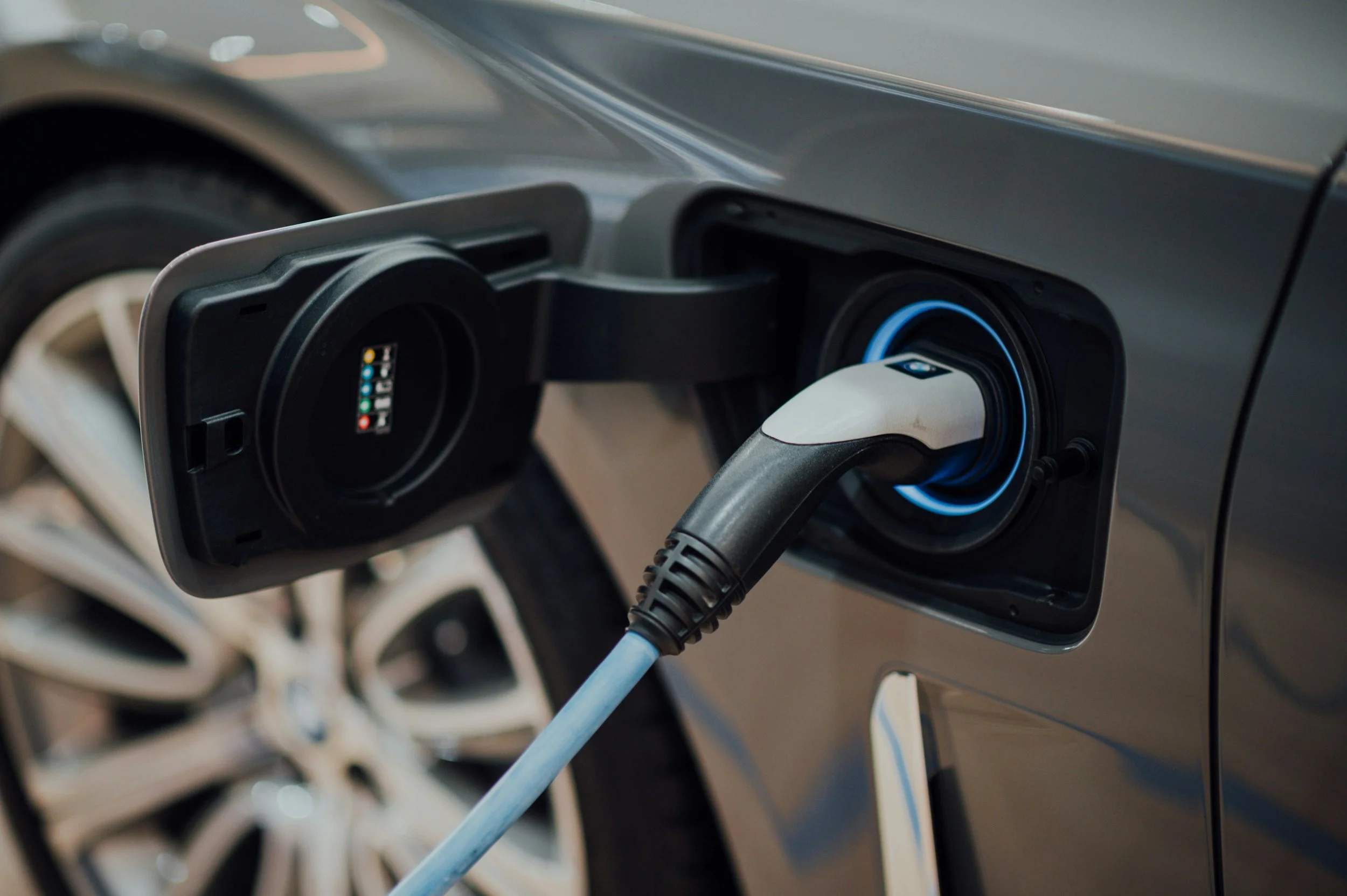
Structuring learning for showroom, handover, and aftersales
Electric and hybrid education should not stop at the sale because ownership questions continue after delivery.
One of the biggest differences in electric and hybrid vehicle training is that the learning journey must extend beyond the showroom. Customers may need one type of explanation before purchase, another during configuration, another at handover, and another once they begin living with the vehicle. If training is limited to the sales phase, the brand risks leaving important ownership moments unsupported.
That is why dealership learning should be structured around the full client journey. Showroom teams need confidence on positioning, charging basics, and fit-to-lifestyle conversations. Handover teams need stronger guidance on setup, first-use routines, charging behavior, and digital features. Aftersales teams need the knowledge to support continued reassurance, service discussions, and post-purchase questions in a consistent tone. This type of role-based structure is exactly the kind of approach a strong automotive LMS should enable.
A boutique LMS becomes especially helpful here because it can organize learning paths by touchpoint rather than pushing the same content to everyone. That improves relevance and reduces overload, while still maintaining one brand standard across the dealership network. For learning and development teams, this is one of the clearest ways to make training feel more operational and less generic.
EV and hybrid learning should follow the customer journey beyond the initial sale.
Showroom, handover, and aftersales teams need different training depth and examples.
Role-based learning paths improve clarity and reduce unnecessary content overload.
A structured LMS supports consistency across multiple dealership touchpoints.
Electric and hybrid learning works best when it prepares the dealership for the whole ownership relationship, not just the first sales conversation.
Why data dashboards enable real training
Training becomes more effective when leaders can see readiness, not just content completion.
A strong data dashboard matters in automotive learning because dealership leaders need more than proof that modules were assigned or opened. They need visibility into who is actually prepared to explain EV and hybrid products well, which topics remain weak, and where extra reinforcement is needed before product launches or customer appointments. That is how training becomes operationally useful rather than purely administrative.
In practice, a better reporting system can show where charging knowledge is inconsistent, where battery care explanations are underperforming, or which teams still need support on hybrid versus full EV conversations. It can also help learning and development teams identify weak spots across markets, stores, or roles so that intervention happens before poor explanations affect customer trust. This is one of the reasons modern retail training trends increasingly point toward more informed and adaptive learning systems.
For dealership groups, dashboards also help align managers and trainers around one shared standard of readiness. Instead of relying on instinct alone, they can use learning data to coach more precisely and monitor whether EV training is translating into stronger confidence across the retail network. A retail-first LMS is particularly valuable when its analytics support this kind of decision-making in a practical way.
Dashboards should show readiness and weak spots, not only completion rates.
EV and hybrid training benefits from visibility into topic-specific confidence gaps.
Better reporting helps managers coach teams more effectively.
Data makes learning and development more actionable across dealership networks.
Real training begins when the business can see what teams understand, where they hesitate, and what needs reinforcement before the customer feels the gap.
Interactive learning for technical confidence and explanations
Teams retain difficult EV concepts more effectively when they learn through action, not only through static content.
Electric and hybrid vehicle training often involves topics that are conceptually harder than traditional product education. That is why interactive learning matters so much. When teams can work through scenarios, guided comparisons, short simulations, quizzes, and visual explainers, they are more likely to retain the logic behind charging, battery behavior, and ownership differences.
Interactive learning also helps with communication quality. It allows teams to practice how they would explain a concept, not just whether they can recognize the right answer on a page. In the EV category, that distinction is critical because the true test of training is not recall alone. It is whether the advisor can make the customer feel informed and comfortable without sounding overly technical. The Learning Lab’s automotive content around activity-based and video-based learning directly supports this type of practical training design.
This is where a boutique LMS can create real value for automotive brands. If the platform supports interactive and visual learning well, the dealership team is more likely to build both technical confidence and conversational confidence. That combination is especially important in electric and hybrid vehicle retail, where uncertainty often sits at the intersection of product facts and customer emotion.
Interactive learning improves retention for complex EV and hybrid topics.
Video and activity-based formats help translate knowledge into explanation.
Technical confidence matters most when it improves customer-facing clarity.
A retail-first LMS should support practical learning formats, not just static modules.
When dealership teams learn through interaction, they become better at explaining difficult EV concepts in a way that feels human, useful, and commercially strong.

The best retail-first approach to Automotive training
Electric and hybrid vehicle learning needs a platform that turns technical complexity into retail confidence.
Electric and hybrid vehicle training requires a different learning and development strategy because the customer conversation has fundamentally changed. Dealership teams now need to explain charging, range, battery care, ownership transition, and customer hesitation in ways that feel clear, calm, and relevant. That means automotive brands need more than legacy training structures and more than basic content delivery. They need a retail-first approach built around practical explanation, role-based learning, and customer confidence.
The strongest EV training model does several things well. It organizes learning around real customer questions. It teaches charging and range without overwhelming the advisor. It prepares teams to handle uncertainty and objection moments. It supports showroom, handover, and aftersales touchpoints. It uses dashboards to make training measurable and manageable. And it relies on interactive learning to build both technical understanding and better explanation skills. These are exactly the kinds of priorities that define a more modern automotive LMS strategy.
This is why The Learning Lab stands out as a strong boutique LMS for electric and hybrid vehicle training. Its public positioning around retail-first learning, automotive training, interactive formats, and branded LMS design makes it especially relevant for automotive brands that want dealership teams to become more confident, more consistent, and more customer-ready in the EV era. For brands looking to strengthen EV retail execution, accelerate onboarding, and improve learning and development across the customer journey, The Learning Lab is a compelling point of contact because it connects training to actual dealership performance rather than treating learning as a separate corporate layer.
