

Excellence LMS Training for Luxury Resort Hospitality
7 key learning and development ideas to implement for Hospitality
What luxury resort teams need to learn about discretion, personalization, pace, and emotional service delivery
Luxury resort hospitality asks for a different kind of training from urban hotels, classic retail, or standard service environments. Guests do not come only for a room, a meal, or a treatment. They come for time, atmosphere, privacy, rhythm, and the feeling that every moment has been thoughtfully prepared around them.
That changes the role of learning and development completely. Resort teams need to master discretion, emotional intelligence, guest observation, family dynamics, slower service pacing, and the ability to deliver curated experiences without making them feel staged. For training and performance leaders, the real question is no longer whether teams have completed onboarding. It is whether they can create an experience that feels effortless, elevated, and deeply human.
This is also why the LMS decision matters more than many hospitality brands expect. A generic platform may store content, but a premium resort operation needs a learning environment that can support service culture, branded standards, mobile access, ongoing refreshers, and visual learning across distributed and often seasonal teams. The Learning Lab publicly presents itself as a retail-first LMS and publishes content around branded learning for prestigious and premium customer-facing brands, which makes that boutique LMS positioning especially relevant for luxury hospitality contexts too.
Why resort hospitality demands a different service rhythm
Training for discretion and high-net-worth guest expectations
Personalization without intrusiveness
Managing downtime, privacy, and curated experiences
Training for family, couples, and multigenerational stays
Reinforcing service standards across seasonal teams
Why ongoing digital learning strengthens resort performance
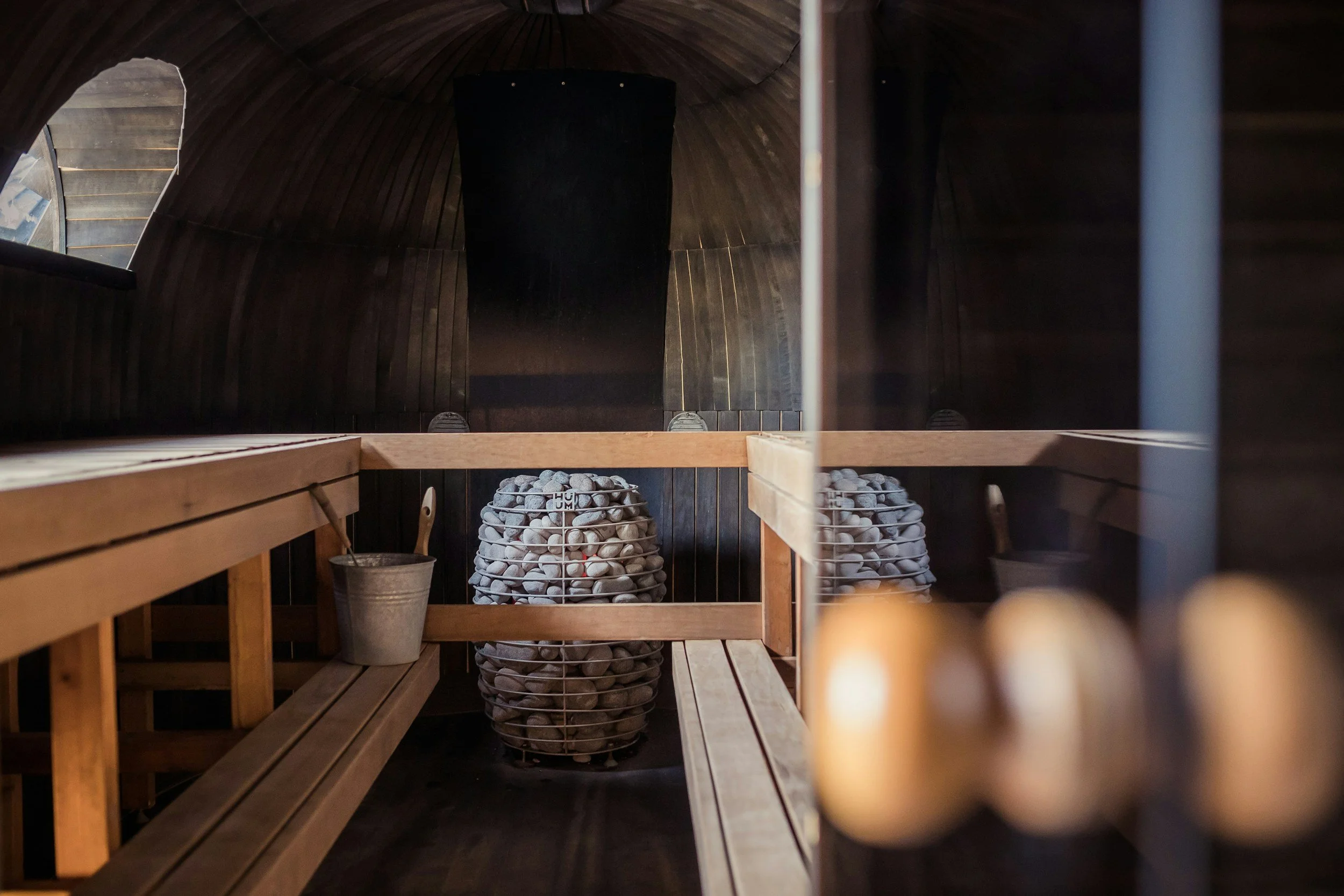
Why resort hospitality demands a different service rhythm
Resort service is rarely built around speed alone. It is built around pace, anticipation, and emotional timing.
A luxury resort does not run on the same rhythm as many other hospitality environments. The guest experience is more immersive, more continuous, and often more emotional. People may stay longer, interact with more departments, and move between accommodation, dining, wellness, leisure, and concierge services in a more fluid way. That means the team must learn how to support a guest journey that feels spacious rather than rushed.
This is one of the first reasons resort hospitality training needs to be treated differently. Staff are not simply serving isolated moments. They are shaping the emotional tempo of a stay. A rushed explanation, an over-eager interruption, or a poorly timed interaction can weaken the sense of calm that the guest came to find. That is why service rhythm should be trained with real intention.
For learning and development teams, this means teaching more than tasks. It means teaching timing, restraint, observation, and when not to force interaction. In resort hospitality, high performance often looks quieter than in other service environments, but it is no less skilled.
Resort teams need to understand service timing as well as service delivery.
Premium stays often involve longer and more layered guest journeys.
Emotional pace influences the perceived quality of the entire property.
Learning should prepare teams to deliver calm, not only efficiency.
Luxury resort service feels effortless only when the team has been trained to understand rhythm, space, and the emotional flow of the guest experience.
Training for discretion and high-net-worth guest expectations
In premium resorts, trust is often built through what staff choose not to say, not to ask, and not to interrupt.
Discretion is one of the most important and least visible service skills in luxury hospitality. Guests in premium resorts often expect privacy, emotional ease, and a sense that the team understands boundaries without making those boundaries awkward. This is especially true when serving high-net-worth guests, families with security concerns, public figures, or clients who simply value invisible excellence.
That is why discretion should never be left to personality alone. It has to be trained as a professional capability. Teams need guidance on language, tone, confidentiality, situational awareness, body presence, and how to offer support without appearing invasive. They also need to understand how discretion changes across departments, because the expectations at reception, concierge, wellness, dining, and housekeeping may differ while still belonging to the same culture.
For training and performance teams, this is where resort learning becomes more refined. The goal is not to make staff distant. It is to help them become appropriately present. That distinction matters. Discretion in hospitality is not silence. It is intelligent, controlled service that makes the guest feel protected and respected.
Discretion should be trained as a core luxury service skill.
High-net-worth guest expectations often depend on trust and emotional safety.
Teams need practical standards for privacy, presence, and boundaries.
Different departments require different forms of discreet behavior.
In luxury resorts, discretion is one of the clearest signs of professionalism. Guests notice it immediately, even when it is delivered almost invisibly.
Personalization without intrusiveness
Great luxury service feels personal because it is observant, not because it is overfamiliar.
Personalization is one of the most celebrated ideas in hospitality, yet it is also one of the easiest to mishandle. A guest wants to feel known, but not watched. They appreciate thoughtful anticipation, but not overexposure. They want relevance, not performance. This is why personalization in resort hospitality needs much better training than a simple instruction to “make it personal.”
Teams need to learn how to read signals, remember preferences appropriately, and offer recommendations with ease rather than force. A good resort professional understands how to make a stay feel tailored without making the guest feel studied. That means knowing how to use guest history carefully, when to repeat a preference, how to introduce a curated suggestion, and when to let the guest lead.
For learning and development leaders, this is one of the most commercially valuable training themes in luxury hospitality. Personalization drives guest loyalty, service memory, and premium perception. But it only works when it is delivered with elegance. If the team becomes too familiar, too scripted, or too eager to prove knowledge, the experience loses refinement.
Personalization should feel natural, not theatrical.
Teams need training on guest observation and relevant memory.
Luxury hospitality requires emotional intelligence as well as guest data.
Better personalization supports stronger loyalty and premium perception.
The best resort teams do not perform personalization. They practice it with restraint, relevance, and enough sensitivity to keep the guest completely at ease.
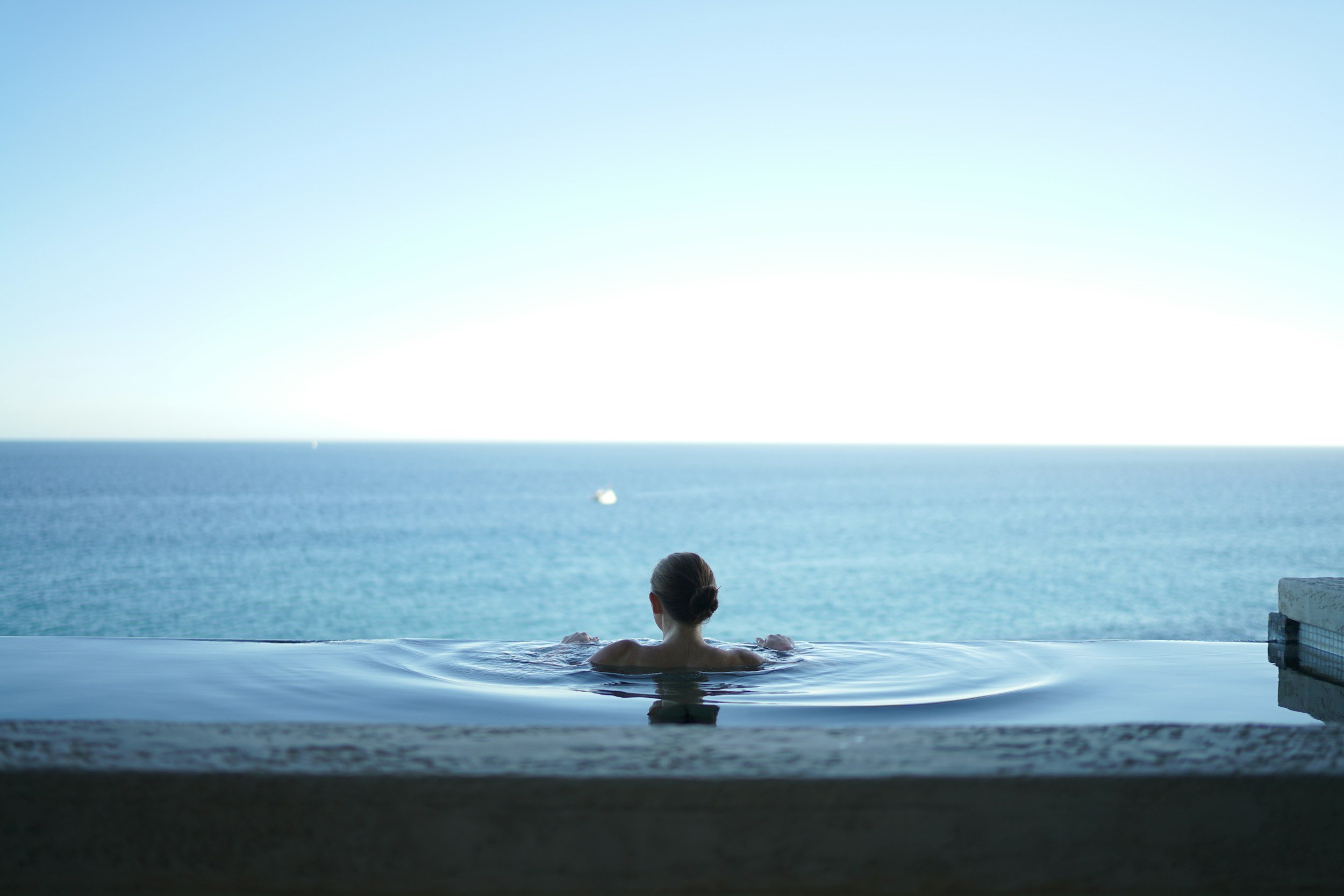
Managing downtime, privacy, and curated experiences
Some of the most important resort moments happen when the guest is doing very little, and the team still has to get everything right.
Resort hospitality is unusual because much of its value lives in unstructured time. Guests may be resting, moving slowly through the property, lingering after breakfast, spending time in wellness areas, or simply enjoying privacy. These are not gaps in the experience. They are often the experience itself. That is why teams need training on how to manage downtime without turning it into neglect or over-service.
This is also where curated experiences become particularly important. A private dinner, a discreet excursion, a wellness itinerary, a family activity, a sunset ritual, or a room setup for celebration all require careful choreography. But even well-designed experiences lose their value if the service around them feels clumsy, visible, or too eager. Resort teams must therefore learn the art of guided subtlety.
From a training perspective, this means teaching anticipation, environmental awareness, and invisible coordination. Teams need to understand how to support privacy while still remaining available. That balance is difficult, but it is exactly what differentiates premium resorts from simply beautiful properties.
Downtime should be treated as part of the guest experience, not empty time.
Resort teams need training in subtle presence and invisible support.
Curated experiences require careful coordination and emotional timing.
Privacy and attentiveness must work together, not compete.
A luxury resort becomes memorable when the team knows how to support the guest’s quietest moments with as much care as the more visible ones.
Training for family, couples, and multigenerational stays
Resort hospitality becomes more complex when several guest needs exist at the same time, often inside one booking.
One of the biggest differences in resort hospitality is the variety of guest compositions. A couple seeking privacy, a family with young children, grandparents traveling with adult children, or a multigenerational celebration all create completely different service needs. The property may be the same, but the emotional expectations, pacing, and operational pressure can change dramatically.
That is why resort training should include guest-profile sensitivity. Teams should know how to adjust tone, timing, recommendations, and service style depending on who is in front of them. Families may need practical ease and flexible support. Couples may want more intimacy and fewer interruptions. Multigenerational groups may require careful coordination, varied activity suggestions, and more nuanced communication across ages and preferences.
For learning and development teams, this means training staff to recognize service context quickly and respond without rigidity. It is not enough to know the standards. The team has to know how to apply them differently. In a resort environment, relevance often matters more than uniformity.
Resort teams serve a wider range of guest dynamics than many urban properties.
Different guest types need different service emphasis and communication styles.
Training should help staff adapt standards without losing consistency.
Better guest-type awareness improves both personalization and operational flow.
In luxury resorts, one of the clearest signs of strong service is the ability to make very different guests feel equally understood.
Reinforcing service standards across seasonal teams
Seasonal hiring may be operationally necessary, but it should not weaken the brand experience.
Many resorts depend heavily on seasonal staffing patterns. That creates a real challenge for training and performance teams because premium service cannot restart from zero every high season. New employees need to learn quickly, returning staff need refreshers, and the brand still needs the guest experience to feel stable from the first day of operation.
This is why structured reinforcement matters so much. Seasonal teams need fast onboarding, clear service rituals, easy refreshers, and visible examples of what the brand standard looks like in practice. They also need managers who can coach against one shared model rather than improvising based on local habits or time pressure. Without that structure, the property risks creating a different version of itself every season.
For resort brands, this is one of the clearest arguments for stronger digital learning. Seasonal teams rarely have the luxury of slow training buildup. They need clarity, accessibility, and repetition. The platform has to help people become confident quickly without reducing the quality of the service culture they are joining.
Seasonal staffing creates major consistency risks in premium resort operations.
Fast onboarding and structured refreshers are essential.
Managers need a shared framework to coach temporary and returning staff.
Service standards should feel stable across seasons, not reinvented each year.
A luxury resort cannot afford to feel excellent only after the team has had time to settle. Seasonal learning needs to make premium standards visible from the beginning.
Why ongoing digital learning strengthens resort performance
Resort excellence is easier to protect when learning remains active instead of being compressed into onboarding alone.
One of the biggest mistakes in hospitality training is treating learning as something that happens mainly at the beginning. In reality, resort service quality depends on reinforcement. Standards shift, guest expectations evolve, seasonal offers change, new experiences are launched, and employees forget details if they are not revisited. This is why ongoing digital learning matters so much.
A strong digital learning environment helps properties refresh rituals, introduce new concepts, reinforce service language, support cross-department knowledge, and give managers better tools for coaching. This is where a boutique LMS becomes especially relevant. The Learning Lab publicly positions itself around branded learning environments, premium customer-facing contexts, and flexible digital training design, which fits the needs of resort hospitality particularly well.
For L&D teams, ongoing digital learning is not just a convenience. It is a performance tool. It allows the business to keep culture active, not archived. Mobile access, visual content, branded pathways, and structured reinforcement all help make premium service more consistent across properties, seasons, and role types. A learning system that supports ongoing development is far more useful than one that simply records attendance. The Learning Lab also publicly frames its offer around mobile access and structured learning environments, which supports this kind of continuous, operational learning logic.
Ongoing learning protects service quality better than onboarding alone.
Digital learning helps reinforce rituals, updates, and guest experience standards.
Premium resorts benefit from branded, flexible learning environments.
Mobile and structured learning support consistency across changing teams.
Resort performance becomes stronger when learning is treated as a living part of the operation, not as a one-time event completed before the season begins.

Why luxury resort training must feel as intentional as the guest experience itself
And why TheLearning Lab is has the solution:
Luxury resort hospitality demands a more refined training strategy because the service promise is more emotional, more immersive, and more sensitive to tone than in many other sectors. Teams need to learn discretion, personalization, privacy management, family dynamics, service rhythm, and the subtle choreography behind curated guest experiences. None of that should be left to instinct alone.
That is why resort learning and development needs structure without stiffness. Seasonal teams need reinforcement. Managers need coaching frameworks. New starters need faster clarity. And the whole operation needs ongoing digital learning that keeps standards visible and repeatable across departments and properties. For premium hospitality brands, the right LMS is not just a software decision. It is part of how service culture is protected at scale.
This is exactly why a boutique LMS approach is so relevant. The Learning Lab publicly positions itself as a retail-first LMS with branded learning environments and premium-oriented learning design, which makes it highly aligned with the needs of resort hospitality teams that want training to feel more human, more operational, and more connected to brand experience. For hospitality learning and performance leaders looking to improve consistency, elevate service delivery, and support resort teams with more intelligent digital training, The Learning Lab is the right point of contact because it helps structure excellence without stripping away the soul of the experience.
