

Why Online Hospitality and Retail Training Needs More Than Learning Paths: The Essential Role of Coaching in Developing People, Skills and Performance
Hospitality and Retail teams juggle customer appointments, deliveries, stock checks and a dozen other tasks in a single shift.
Even with well-designed learning paths, programmes and live events, training can easily slip down the list. Coaching gives learners someone who notices when they lose momentum, helps them get back on track and shows them how to apply what they learn on the shop floor.
Send timely reminders. A targeted notification can bring someone back to the exact lesson or activity they need to finish.
Use progress data to start a conversation. Filter by store, role or completion status to see who’s progressing and who might need a personal message, a quick check-in or time set aside to learn.
Let AI flag when someone may need support. If a learner hasn’t returned for a few days or has left a module unfinished, an automated follow-up can point them to their next step. Their coach can then check in where personal support would help.
Build a monthly rhythm. Give everyone one short, required mission tied to their work, such as practising a product demonstration or completing a customer-service challenge. It gives the team a concrete reason to return to the platform.
Connect in-store coaching with online practice. After a live session, a coach can point the team to a short video, an exercise, a game or a challenge that reinforces what they practised together.
A simple way to see whether it’s working is to ask one question at the next team briefing. What did you try with a customer this week that you picked up in training?
The Reality of Hospitality and Retail: Why Great Online Training Needs Continuous Coaching
Imagine a client advisor starting an online training module about a new collection just before the boutique opens.
A few minutes later, a delivery arrives, a colleague needs assistance, and the first customers enter the store. The training is interrupted, and despite the advisor’s best intentions, the module remains unfinished. This is the everyday reality of retail, where customer service, operational responsibilities, and unexpected priorities compete for employees’ attention. Even the most engaging content, carefully designed learning paths, structured programmes, and scheduled training events cannot guarantee continuous learning.
This is why online retail training needs more than great content and technology: it needs continuous coaching, personalised follow-up, timely reminders, and proactive learner support. The objective is not simply to make training available, but to help every employee stay engaged, overcome interruptions, complete their learning journey, and ultimately transform knowledge into better customer experiences.
Turning Learning Data into Action: How Store Managers Can Coach More Effectively
Effective retail coaching starts with understanding where employees are in their learning journey and identifying who needs additional support.
By monitoring participation rates, course completion, assessment results, and individual progress, store managers can move beyond simply tracking training activity to providing meaningful, personalised guidance. An unfinished module may indicate that an employee needs a friendly reminder or dedicated time to complete their training. Repeatedly incorrect answers in a product knowledge assessment may reveal the need for a practical demonstration, a one-to-one coaching session, or additional practice on the shop floor.
The objective is not to monitor employees for the sake of reporting, but to transform learning data into actionable coaching opportunities. With The Learning Lab's store manager view, reporting capabilities, and advanced learner insights, retail leaders can better understand training engagement across teams and roles, identify knowledge gaps, and support employees with the right intervention at the right moment. This creates a stronger connection between digital learning, human coaching, and everyday retail performance.
The Learning Lab's reporting tools also allow managers to filter learning data by store, role, and programme, while its mobile Store Manager Data View makes team progress accessible directly from the shop floor.
Discover more: The Learning Lab — LMS for Retail

AI-Powered Reminders and Human Coaching: Keeping Every Retail Learner on Track
In a busy retail environment, even the most motivated employees can lose track of their learning commitments.
This is where AI-powered automation and personalised human coaching can work together to maintain engagement and learning continuity. Instead of relying on store managers to manually monitor every learner, intelligent LMS workflows can identify missed milestones, several days of inactivity, or unfinished training activities. Automated, targeted reminders can then reconnect employees with their learning journey, directing them to the next relevant module, assessment, or learning objective. However, automation should never replace human interaction.
If an employee remains inactive despite several reminders, a store manager can step in with a personal message, a supportive conversation, or dedicated learning time to understand what is preventing progress. The goal is not to send more notifications, but to deliver the right support at the right moment. By combining AI-assisted progress monitoring, timely reminders, and meaningful human follow-up, retail organisations can create a more proactive learning culture where employees feel supported rather than simply monitored.
This approach reflects The Learning Lab's published vision of AI-assisted learning management, where intelligent agents help flag progress gaps, suggest next steps, and handle routine reminders while managers retain responsibility for coaching and learner support.
Learn more: Your AI Agent for Retail Training — You Decide, It Delivers
Monthly Learning Missions: Creating a Continuous Rhythm of Retail Training and Coaching
Keeping retail employees engaged in online training requires more than occasional learning campaigns or product launches.
One effective strategy is to introduce a short, mandatory monthly learning mission connected to a specific retail priority, such as a new collection, product storytelling, customer experience, or selling techniques. For example, ahead of a collection launch, a client advisor could watch a short InstaLearn refresher, practise comparing two products with a colleague, and complete an interactive scenario challenge to demonstrate their understanding.
This combination of microlearning, peer-to-peer practice, and knowledge assessment transforms a simple training requirement into a practical preparation activity. Store managers can then review completion and assessment results, discuss the exercise during team briefings, and provide targeted coaching where additional support is needed.
The objective is to create a consistent learning rhythm that brings employees back to the platform every month while connecting digital education with real shop-floor performance. Rather than treating training as an isolated activity, monthly missions make continuous learning part of the retail team's operational routine.
This approach aligns with The Learning Lab's InstaLearn format, which delivers short, mobile-first learning experiences, and its broader emphasis on connecting learning activities with practical coaching and retail priorities.
Learn more: Discover InstaLearn by The Learning Lab
Blended Learning: Connecting Digital Training, In-Store Coaching and Real-World Practice
The most effective retail training doesn't stop when an employee completes an online course.
Real learning happens when digital knowledge is transformed into practical skills, confidence, and better customer interactions. A successful blended learning approach connects online education with hands-on coaching through a simple sequence. Before a team briefing, client advisors watch a short product demonstration or complete a microlearning module to familiarise themselves with a new technique. During the in-store session, the manager or coach demonstrates the technique, observes each advisor practising it, and provides immediate, personalised feedback.
Afterwards, employees reinforce their knowledge through a short video, interactive exercise, game, or practical challenge accessible directly from their mobile devices. This continuous cycle of learn, practise, receive feedback, and reinforce helps turn product knowledge into everyday retail behaviours. With The Learning Lab's learner calendar, brands can bring classroom sessions, coaching activities, digital learning paths, and key training milestones together in one coordinated learning experience.
The objective is to make blended learning part of the retail team's daily routine, ensuring that every training activity contributes to stronger skills, greater confidence, and more consistent customer experiences.
The Learning Lab's published features support this approach through blended learning management, in-person events, interactive assessments, and a Learner Calendar that centralises upcoming training sessions and learning path milestones.
Learn more: Discover The Learning Lab's Retail LMS Features
Beyond Course Completion: Measuring How Coaching Improves Retail Performance
The real success of online retail training should not be measured solely by course completion rates, platform engagement, or assessment scores.
What truly matters is whether employees remember what they have learned and can apply that knowledge to deliver better customer experiences.
To evaluate the impact of coaching, retail leaders should focus on three essential indicators: whether employees return to training after receiving support, what knowledge they can still recall a week later, and how effectively they demonstrate their skills during role-plays or real customer interactions. For example, after completing a product knowledge module, can a client advisor confidently explain the differences between two products, identify the customer's specific needs, and recommend the most appropriate solution?
A store manager can observe this interaction, provide constructive feedback, and identify opportunities for further development. By connecting LMS engagement data, knowledge retention assessments, and practical coaching observations, brands can move beyond measuring training activity to evaluating real behavioural improvement. Ultimately, the objective of retail training is not simply to create better learners, but to develop more knowledgeable, confident, and customer-focused retail professionals.
With The Learning Lab's Advanced Analytics and reporting capabilities, learning teams can connect engagement and assessment results with practical observations from store managers. This creates a more complete picture of learning effectiveness and helps identify where additional coaching is needed.
The ultimate measure of successful retail coaching is not how many courses employees complete, but how confidently they turn knowledge into meaningful customer conversations.
The Learning Lab: A Hospitality and Retail LMS Designed to Coach, Engage and Support Every Learner
Great online training is not just about delivering content. It is about supporting learners, maintaining engagement, reinforcing knowledge and transforming learning into real-world performance.
At The Learning Lab, we believe that learners should never be left on their own. This is why our AI-powered Learning Management System has been designed with a comprehensive ecosystem of coaching, communication, automation and social learning features. From intelligent notifications and personalised messages to interactive learning experiences, mandatory training programmes and collaborative activities, every feature is designed to help brands stay connected with their learners throughout their learning journey. Whether managing a single boutique or an international retail network, learning teams and store managers have a wide range of tools at their disposal to encourage participation, identify learning gaps, provide individual support and create a culture of continuous development.
A Complete Ecosystem of Coaching and Learner Engagement Features
Automated and Recurring Notifications: Schedule personalised reminders, periodic notifications and learning alerts to encourage employees to return to the platform, complete their activities and stay engaged.
Advanced Learner Filtering and Segmentation: Identify specific learner profiles, personas, roles, stores or groups based on their learning progress, participation, completion rates and other criteria to deliver highly targeted communication.
Personalised Messaging and Follow-Up: Send customised messages to individuals or selected groups, providing encouragement, guidance and relevant recommendations based on their learning needs.
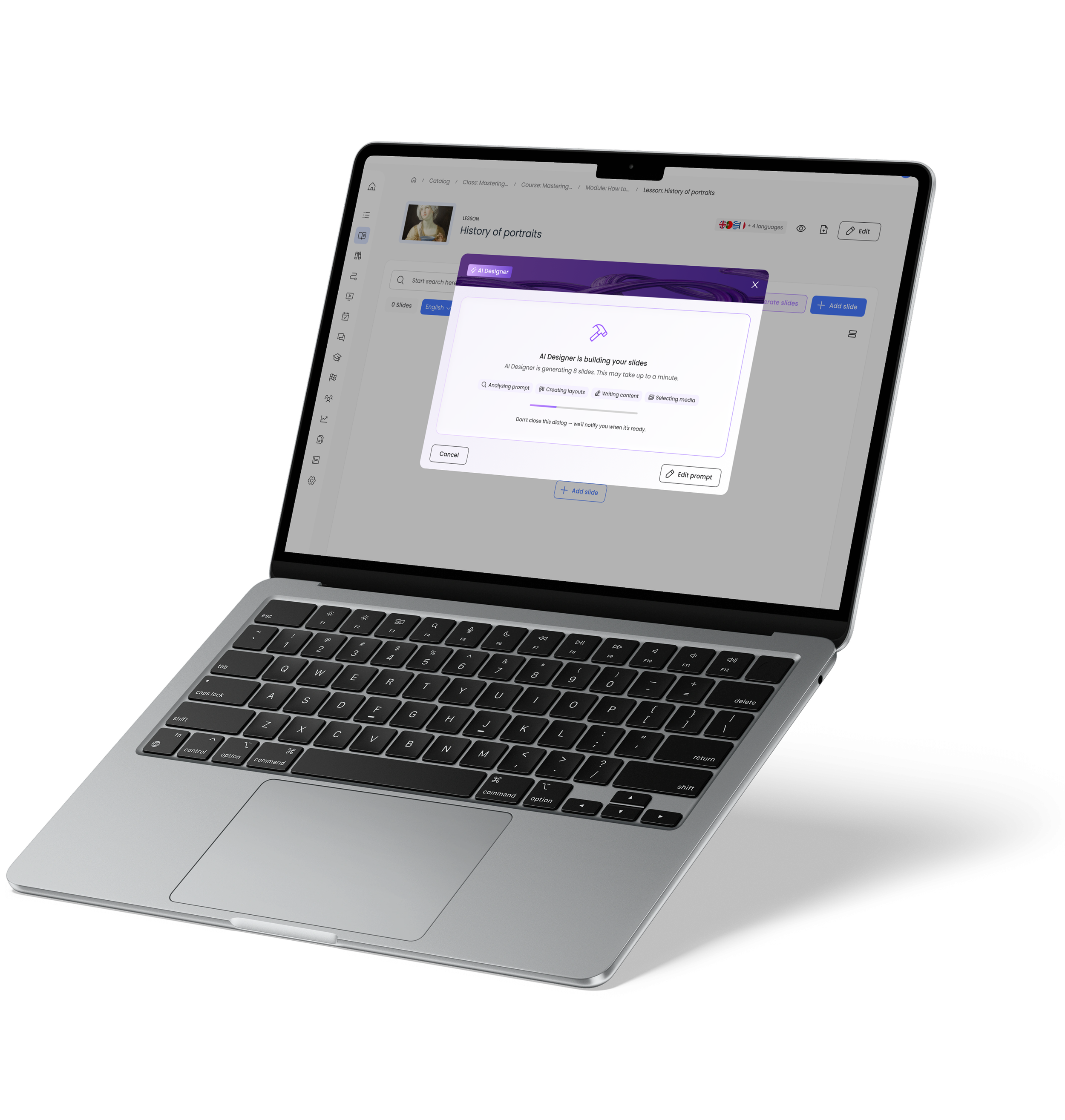
AI-Assisted Learner Engagement: Use intelligent automation to identify inactive learners, missed milestones or unfinished activities and trigger timely reminders or recommend the next learning step.
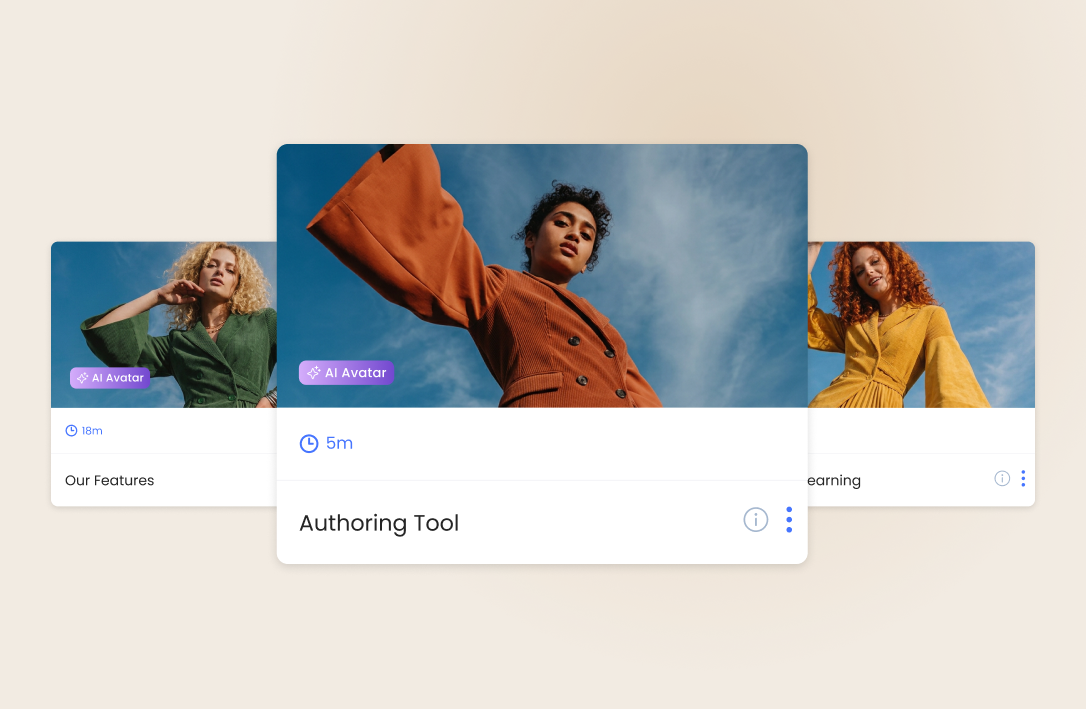
InstaLearn and Continuous Microlearning: Deliver short, engaging learning experiences that provide regular bites of knowledge, spark curiosity and encourage learners to explore more comprehensive training programmes.
Mandatory Training and Recurring Learning Missions: Create structured learning programmes with compulsory activities, deadlines and validation requirements across different periods, ensuring continuous engagement throughout the year.
One-to-One Coaching Sessions: Organise individual coaching meetings to discuss progress, address specific challenges, provide feedback and support personal development.
Group Training Events and Workshops: Bring employees together through in-person sessions, virtual classrooms, webinars and collaborative workshops that complement online learning.
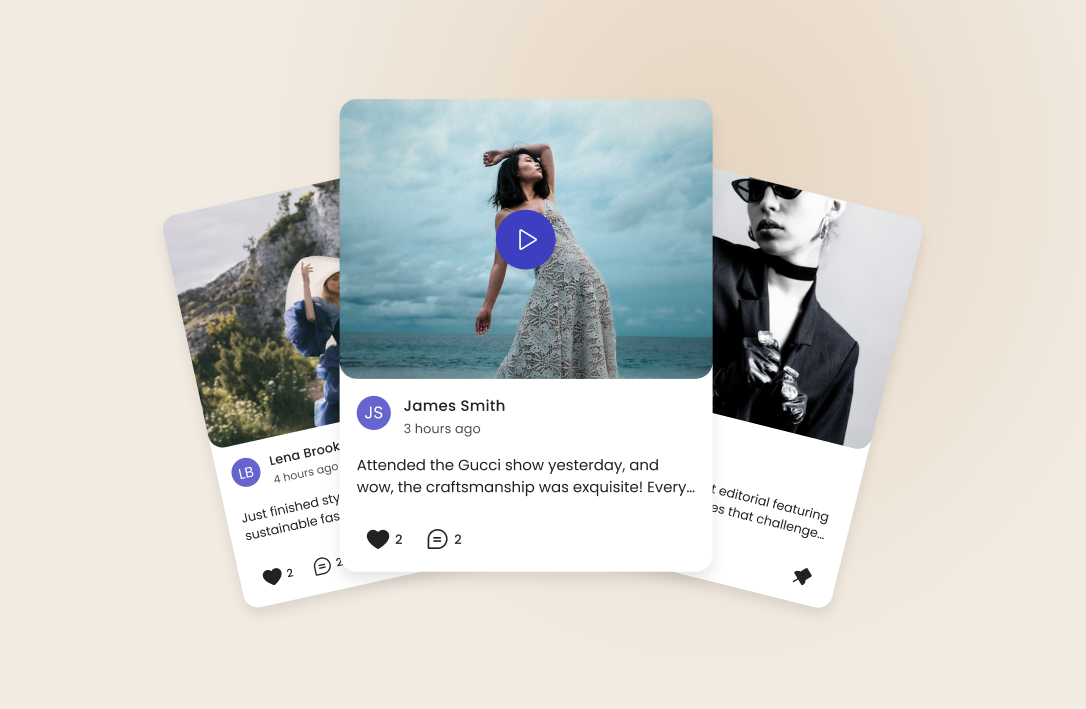
Social Learning and Discussion Groups: Encourage learners to exchange ideas, share experiences, ask questions and learn from one another through dedicated communities and group discussions.
Video and Audio Discussions: Enrich the learning experience with video and audio exchanges connected to courses and learning activities, creating opportunities for more authentic communication and knowledge sharing.
Peer-to-Peer Learning: Enable employees to share practical expertise, product knowledge, selling techniques and real customer experiences, transforming the retail network into an active learning community.
Interactive Challenges and Knowledge Reinforcement: Use quizzes, games, scenarios and practical challenges to reinforce key concepts, assess understanding and encourage learners to apply their knowledge.
Store Manager Views and Advanced Analytics: Give managers visibility into learner participation, completion, assessment performance and progress so they can identify who needs additional support and take meaningful coaching action.
Blended Learning and Learner Calendar: Connect digital courses, live events, coaching sessions and learning milestones within coordinated learning journeys that combine online education with practical experience.
Technology That Empowers Human Coaching
The objective is not to replace coaches with technology, but to give them more time, better information and more opportunities to make a difference.
By automating routine communication, simplifying learner monitoring and creating multiple opportunities for interaction, The Learning Lab enables learning teams and store managers to focus on what matters most: developing people.
From the first learning notification to the final in-store coaching session, every interaction becomes an opportunity to motivate, guide and reinforce knowledge.
The Learning Lab is more than an LMS. It is a complete learning, coaching and engagement ecosystem designed to connect people, knowledge and performance across the entire retail organisation.