

Treat your Learners like Employees
Cultivating a Human-Centric Retail Training Experience
To truly value learners in high-stakes sectors like fashion, luxury, watches, and cosmetics, organisations must abandon generic corporate training in favour of a "Retail-First" branded experience that reflects the sophistication of their industry.
Just as sales associates are trained to offer exceptional, personalised service to clients, the Learning Management System (LMS) must treat the learner as an internal customer through "emotional design" a strategy that prioritizes how the user feels over simple information delivery.
This means creating a fully customized environment that embodies the brand's unique DNA, ensuring that the training journey is as aesthetically pleasing and engaging as the products being sold.
By focusing on the learner as a "social creature," brands can move beyond static compliance tasks to build a culture of continuous feedback, ensuring technology supports the essential human connection rather than replacing it.
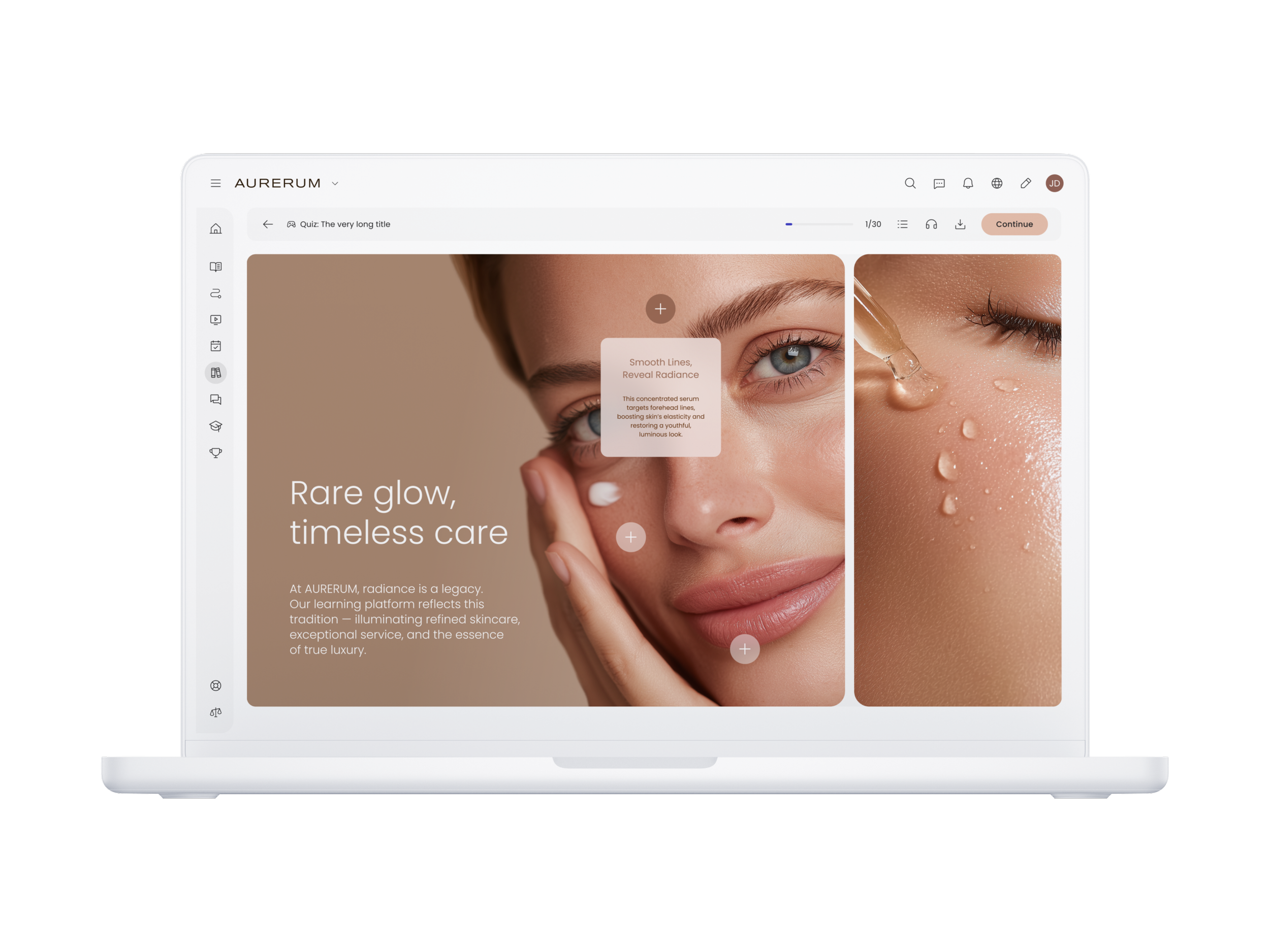
Prioritising Human Interaction and Coaching: Elevating Retail Mastery Through Experiential Learning
To truly treat learners like employees, retail training must shift its centre of gravity from passive information consumption to active skill acquisition, recognising that retail teams learn best by doing, not by reading.
A "Retail-First" approach replaces static manuals with experiential activities such as branching scenarios and group discussions that mimic the unpredictability of real floor interactions, allowing staff to practise decision making in a safe environment.
By utilising a blended learning model, organisations can seamlessly integrate online microlearning with onsite workshops, ensuring that digital theory is validated through physical demonstration and human mentorship.
This method prioritises "emotional design" focusing on how learners feel and ensures that technology, such as video assessments and audio feedback, serves to strengthen the coaching relationship rather than replace the personal touch required in luxury and fashion sectors.
Resume of Key Strategies:
Implement Experiential "Learning by Doing": Move beyond static text by deploying interactive content like branching scenarios, hotspots, and group discussions.
Utilise Audio and Video for Real-Time Coaching: Leverage tools such as video assessments, interactive video quizzes, and live recordings to provide immediate, human-centric feedback.
Bridge Digital and Physical with Blended Learning: enhancing human interaction requires a mix of online and offline experiences.
Proven Impact and Scalability: The effectiveness of this interactive, human-focused approach is evidenced by widespread adoption in high-stakes industries.
Support Coaching with AI Personalisation: While human interaction is paramount, use AI to support coaches by automatically designing personalised learning paths based on employee progress.
Implement Video-Based and "Instalearning" Formats: Capturing the Modern Retail Mindset
To treat learners like employees in the digital age, training must mirror the engaging, bite-sized content they consume daily on social media.
A "Retail-First" strategy leverages a video-first approach to create an "Instalearning" experience, utilising interactive tools like video quizzes and live recordings that transform passive viewing into active participation.
By adopting a mobile-first, microlearning format, brands can deliver visual storytelling that fits the fast-paced, "on-the-go" schedules of staff in sectors like fashion and luxury, ensuring training is not an interruption but a seamless part of their daily flow.
This approach allows sales associates to consume high-quality, branded content in short bursts on their smartphones, maintaining the same quality and interactivity as desktop learning while offering maximum convenience.
Resume of Key Strategies:
Leverage a Video-First Ecosystem: The platform is engineered to prioritise video content, offering tools such as Interactive Video, Video Assessments, and Live Recording to establish a creative and potent medium for engagement.
Create "Instalearning" Moments with Creative Tools: Utilise a powerful authoring tool to design dynamic, animated content including on-platform video recording and interactive quizzes, allowing for immersive "Instalearning" experiences that drive better retention.
Optimise for On-the-Go Microlearning: Recognising that retail staff lack time for long modules, the system delivers short, digestible lessons accessible via dedicated iOS and Android apps, allowing employees to train anytime, anywhere.
Facilitate Visual Storytelling: Move beyond text by using video and audio to convey complex product knowledge and brand DNA, ensuring the training experience is as visually compelling as the products being sold.
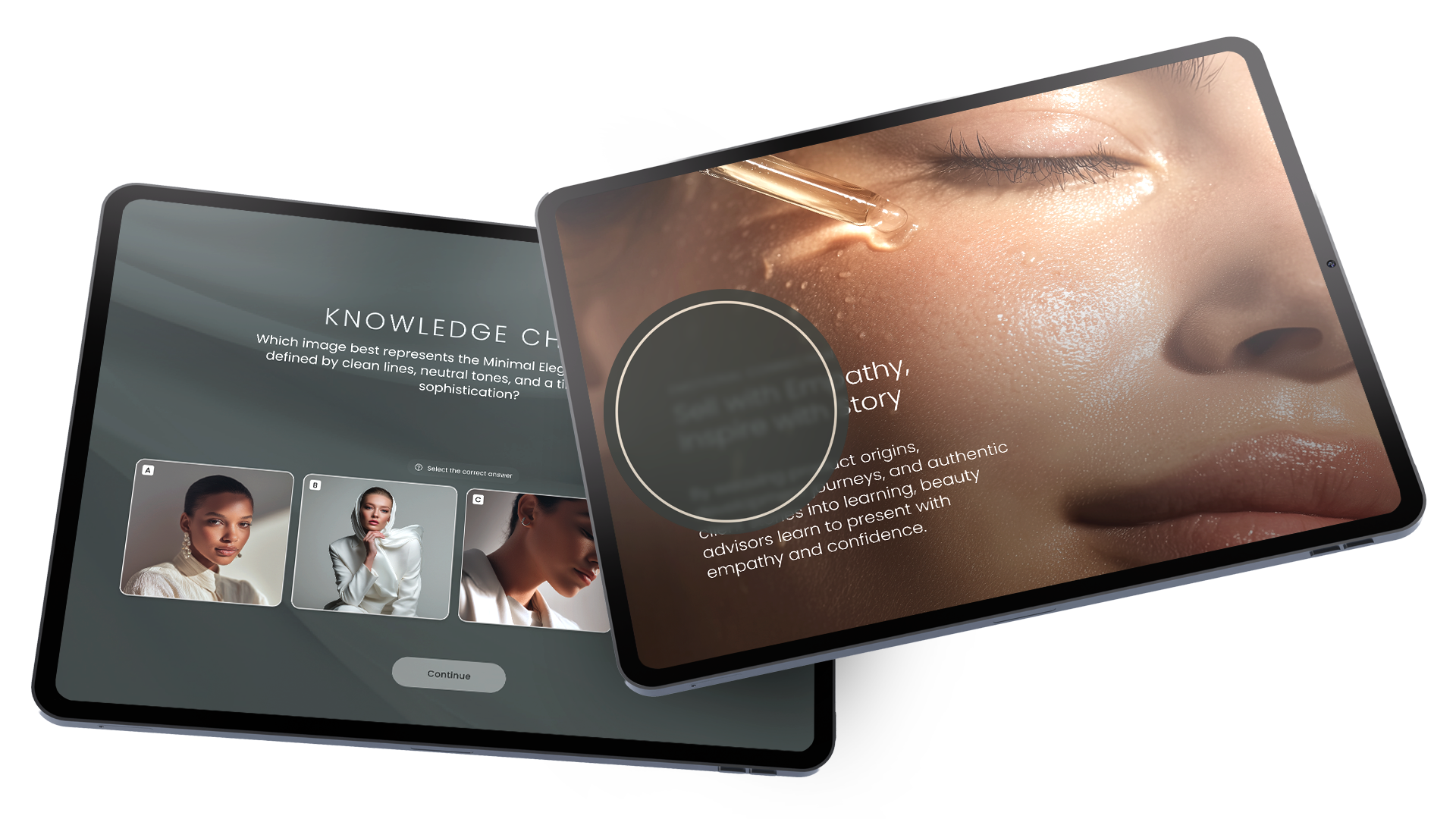
Establish Clear Objectives and Personalisation: Aligning Individual Growth with Brand Identity
To truly treat learners like valued employees, training must transcend generic interfaces and offer a fully branded experience that mirrors the company's unique identity.
A "Retail-First" LMS acts as a digital flagship, allowing organisations to design a "white-label" environment where every visual element from fonts to animations reflects the brand's DNA, ensuring staff feel part of a cohesive culture rather than users of an external tool.
By leveraging AI and performance analytics, this platform treats every learner as an individual, automatically customising learning paths based on real-time progress to ensure that objectives regarding product knowledge and customer service are not only clear but personally relevant to each employee's development.
Resume of Key Strategies:
Create a "White-Label" Digital Home: Utilise a no-code, fully customisable platform to craft a premium design that aligns education with the brand’s unique vision.
Customise Paths via AI: Move away from "one-size-fits-all" training by using AI to design personalised learning paths.
Clarify Strategic Objectives: Focus on the specific demands of retail by delivering targeted modules on product knowledge, customer service, and onboarding.
Leverage Data for Continuous Improvement: Use comprehensive analytics to track learner engagement and knowledge gaps in real-time.
Reflect Brand DNA Globally: Whether for watches, fashion, or cosmetics, ensure consistent messaging and culture across global teams.
Use AI Carefully to Support the Social Creature: Elevating Human Connection with Intelligent Support
To truly treat learners like valued employees, training must respect that they are "social creatures" who thrive on connection rather than just content consumption.
A "Retail-First" approach integrates AI strategically using it to handle logistical complexities like automatic translation, content editing, and text-to-speech accessibility so that the focus remains on "emotional design" and how the learner feels during the experience.
By automating administrative tasks and personalising learning paths based on real-time progress, AI acts as a silent enabler.
This allows human mentors to concentrate on coaching, group discussions, and the social aspects of blended learning, ensuring the environment remains deeply personal and community focused rather than robotic.
Resume of Key Strategies:
Automate Logistics to Focus on Connection: Leverage AI-powered support to manage time-consuming tasks such as content editing, automatic corrections, and global translation.
Personalise Paths Intelligently: Use AI to automatically design and adjust learning paths based on individual employee progress and performance.
Enhance Accessibility with Text-to-Speech: Implement AI-driven text-to-speech features to support mobile learners.
Prioritise "Emotional Design": Technology should support a learning experience that people feel and remember.
Support Blended Learning Ecosystems: Use digital tools to track and manage the complexities of a blended learning model, where online validation supports in-person workshops and certification.

Foster a Culture of Feedback and Discussion: Bridging Digital Engagement with Human Recognition
To truly treat learners like valued employees, retail training must evolve beyond static compliance tests into a dynamic, two-way conversation that fosters active participation.
A "Retail-First" approach replaces passive consumption with a culture of feedback, utilising gamification elements such as quizzes, badges, and leaderboards to ignite motivation and drive engagement among staff.
By leveraging a comprehensive blended learning ecosystem, organisations can seamlessly bridge the gap between digital microlearning and physical application, ensuring that online achievements are validated through in person workshops and real-world certification.
This strategy creates a continuous loop of feedback where technology, including audio feedback and video assessments, supports social recognition and human connection, ensuring that every learning moment is reinforced by meaningful coaching,.
Resume of Key Strategies:
Drive Engagement with Gamification: Move beyond boring assessments by integrating gamification features like quizzes, badges, and leaderboards.
Bridge Online and Offline with Blended Learning: enhancing human interaction requires a seamless mix of digital and physical experiences.
Encourage Social Interaction and Discussion: Facilitate a community-focused environment by incorporating group discussions and interactive challenges.
Utilise Audio and Video for Nuanced Feedback: Leverage tools like audio feedback and video assessments to provide personalised, human-centric guidance.
Create a Cycle of Recognition: Use the platform to issue certifications upon completion of blended learning paths.

The Learning Lab: The Retail-First LMS – Transforming Training into a Branded Experience
The Learning Lab is not just a training tool; it is a "Boutique LMS" specifically crafted for the high-stakes worlds of Fashion, Luxury, Watches, Cosmetics, and Lifestyle brands.
Moving beyond generic corporate platforms, this "Retail-First" solution prioritises "Emotional Design," allowing organizations to create a fully customised, white-label environment that reflects their unique brand DNA rather than the vendor's interface.
By recognizing that retail staff are "social creatures" who need fast, engaging content, The Learning Lab combines the flexibility of mobile-first microlearning with the depth of blended learning, ensuring that training fits seamlessly into the daily flow of floor staff while maintaining the aesthetic sophistication of a digital flagship store.
Resume of Key Features & Strategies:
A "Retail-First" & White-Label Experience: A no-code, fully customizable platform designed to align education with your brand's unique identity. It offers a premium design that makes employees feel they are entering an exclusive digital space, not a generic portal.
Video-First "Instalearning" Format: Engineered to prioritize video content, the platform features a creative authoring tool that supports interactive video, video assessments, and live recordings. This creates dynamic, visual storytelling that resonates with modern learners and mimics the engagement of social media.
Mobile-First & On-the-Go: Recognizing that sales associates cannot be tied to desks, the system offers dedicated iOS and Android apps for seamless access. This allows staff to complete "just-in-time" training on new collections or service techniques directly on the floor.
Blended Learning & Human Connection: The platform manages the full spectrum of the "social" learning journey, bridging online modules with in-person workshops. It tracks course registration, point validation, and certifications, while features like audio feedback allow for nuanced, human coaching.
Smart AI Integration: AI is used strategically to enhance, not replace, the human element. It handles automatic translation for global consistency, text-to-speech for accessibility, and personalizes learning paths based on progress, freeing up managers to focus on mentorship.