

Blended Learning for Luxury Sportswear Retail Teams
Combining mobile learning, coaching, and in store practice to train teams on performance products and premium service.
Luxury sportswear does not live in one world anymore. It moves between performance, fashion, travel, wellness, and daily identity, which means the sales conversation has become far more layered than a simple product explanation.
A client may walk in asking for comfort, but really be looking for style. Another may ask about a silhouette, but need reassurance on technical credibility before buying. In this category, retail teams need to read intent quickly and respond with both expertise and taste.
That is why blended learning makes sense for luxury sportswear brands. Digital learning can deliver product precision, launch information, and clear selling frameworks, while in store coaching helps teams turn that knowledge into confident recommendations, stronger service rituals, and a more premium customer experience.
Learn the product story online before it reaches the floor
Test product knowledge in store through touch, fit, and comparison
Train footwear recommendations through digital personas and live selling
Turn movement into learning through simple physical challenges and social sharing
Reinforce service culture through in store coaching and athlete inspired language
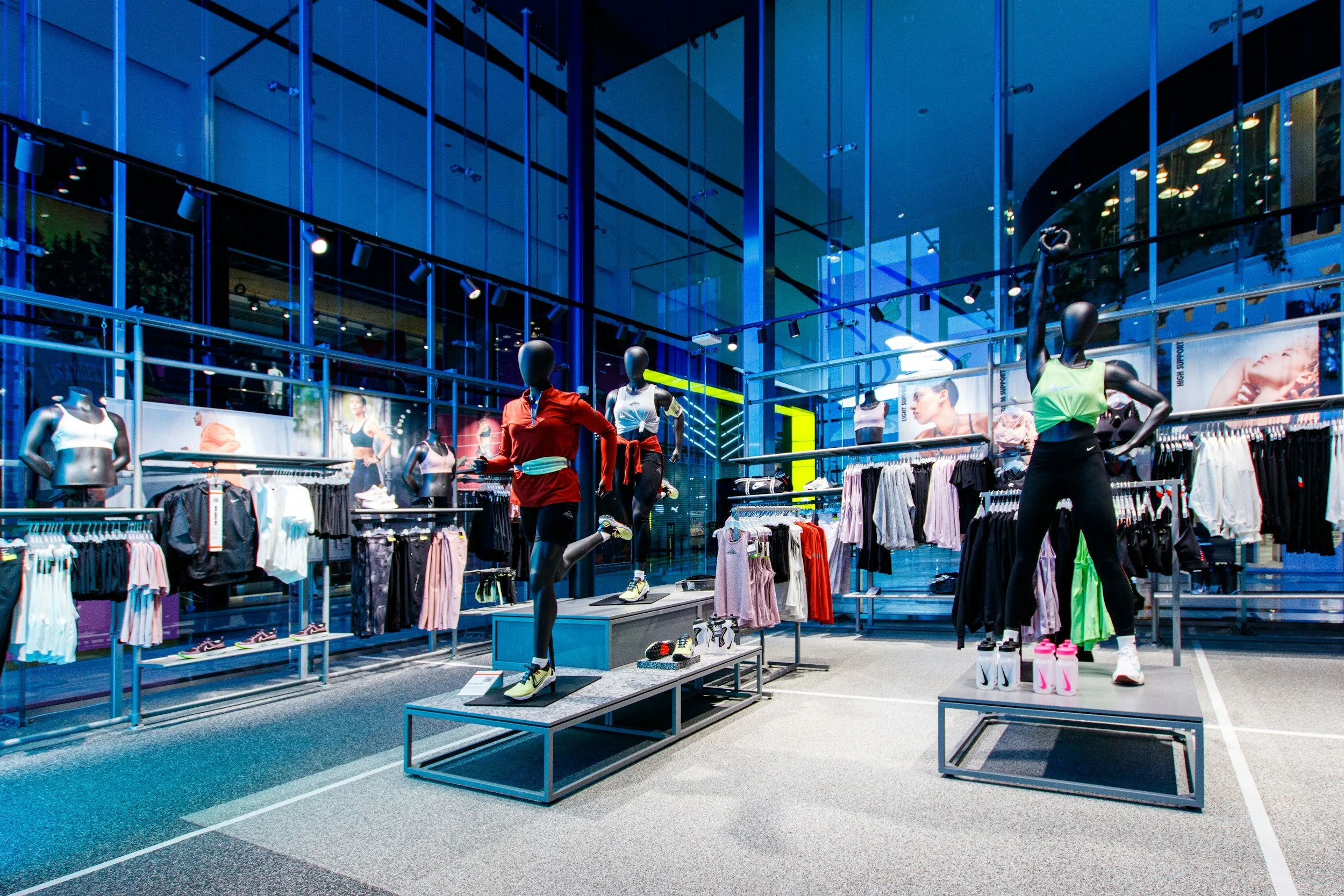
1. Learn the product story online before it reaches the floor
Digital learning should introduce the product with enough depth and visual quality that store teams arrive prepared, not surprised.
The first job of blended learning is to front load understanding before the product hits the floor. Luxury sportswear launches usually carry a mix of design story, material innovation, styling logic, and performance claims, so staff need more than a fact sheet if they are going to speak with confidence.
This is where digital learning earns its place. The Learning Lab feature set highlights video based learning, audio and video content, authoring tools, interactive assessments, learning paths, and mobile access, which means a brand can build launch modules that feel visual, fast, and relevant to retail teams.
A good online module for sportswear does not bury the learner in text. It shows the silhouette in motion, explains why the material matters, compares use cases, and introduces the language that should appear on the shop floor when a customer asks what makes the piece worth its price.
This is especially useful for luxury brands because product knowledge is only one part of the job. Teams also need to understand the attitude of the collection, the tone of the story, and the relationship between technical detail and emotional appeal.
The online phase should also prepare staff for the physical phase. A learner can finish a short path on a new shoe franchise, answer a few scenario questions, watch a video from design or merchandising, and then arrive in store already knowing what they need to look for, test, and discuss with a manager.
That sequence changes the quality of the conversation. Instead of the manager spending time explaining basic facts, the coaching moment can focus on nuance. How does the product feel on foot. Which customer profile will respond to it. What is the strongest way to move from technical explanation to lifestyle desire.
Use video first modules for launches and hero products.
Build short learning paths around fabric, fit, styling, and client language.
Include interactive questions so the learner must think before entering the store.
Treat digital learning as preparation for coaching, not a substitute for it.
The online stage works best when it creates readiness. In luxury sportswear, that means helping people arrive on the floor already tuned into the product story, the client promise, and the brand tone they need to protect.
2. Test product knowledge in store through touch, fit, and comparison
Once the digital layer is complete, the store becomes the laboratory where staff verify what they learned through direct experience.
A premium sportswear product should never remain abstract in training. The team needs to touch the fabric, feel the weight, compare the cushioning, notice the finish, and understand what changes when the item moves from screen to body. That is why blended learning works so well in this category.
The Learning Lab feature environment includes blended learning and in person events, which supports a model where digital modules introduce the content and in store sessions confirm it through guided practice.
This chapter is where recognition and testing become real. After completing a digital lesson on a running shoe or outerwear piece, staff can move into a store session where they handle the product, compare it with other options, and explain the differences out loud to a manager or trainer.
That act of recognition matters. It is one thing to remember that a shoe belongs to a certain cushioning family or that a jacket uses a specific fabric story. It is another thing to identify it instantly from shape, weight, feel, and intended use while standing in front of a customer.
This is also where luxury standards enter the picture. The in store test should not only ask whether the learner knows the answer. It should ask whether they can explain the answer with clarity, elegance, and conviction. A premium client does not buy only from expertise. The client buys from confidence.
Brands can make this process engaging without making it childish. A trainer can create recognition rounds, timed comparison exercises, or service simulations where associates identify the strongest recommendation based on the product in hand and the need being described.
Ask teams to identify products by touch, fit, and intended use.
Turn digital facts into spoken explanations in front of a trainer or manager.
Use comparison tasks to sharpen judgement across collections.
Evaluate both knowledge and delivery style.
The in store phase gives digital learning its proof. When people can recognize the product instantly and explain it naturally, training moves from content completion to real readiness.
3. Train footwear recommendations through digital personas and live selling
Build customer personas online, then ask teams to match shoes to real needs in store with logic, empathy, and style.
Footwear is one of the richest training categories in luxury sportswear because it combines technical precision with emotional choice. Customers may arrive looking for comfort, status, performance, versatility, silhouette, or all of those things at once, which means recommendation skills have to be trained rather than assumed.
A smart blended approach begins online with personas. The platform supports branching, quizzes, interactive assessments, video learning, and learning paths, so a brand can create customer profiles that reflect real retail situations such as the fashion led urban runner, the serious marathon client, the wellness focused beginner, or the frequent traveller who wants one pair for several uses.
In the digital phase, staff learn how each persona thinks. What questions matter most. What objections are likely to appear. Which product strengths should lead the conversation. Which styling cues help the recommendation feel personal rather than mechanical.
Then the in store phase turns the theory into action. Associates receive a persona brief and must recommend the right shoe from the actual assortment, explain why it fits that customer, and justify their choice against other options.
This is where blended learning becomes commercially interesting. Product knowledge stops being a memory task and becomes a selling skill. Teams start to see that a strong recommendation is built from observation, listening, translation, and taste, not from repeating a spec sheet.
This kind of training also helps protect luxury tone. A premium recommendation should feel curated. It should sound considered. It should show technical authority without becoming cold or over technical. Digital personas make that easier because they force the learner to adapt rather than recite.
Create online personas that reflect real sportswear customer types.
Use branching questions to test how the learner responds to each profile.
Move into live store exercises where staff choose the best shoe from the range.
Evaluate explanation quality, not only product accuracy.
A well designed footwear exercise teaches something larger than product matching. It teaches the habit of translating knowledge into a recommendation that feels human, precise, and aligned with the values of a luxury sportswear brand.
4. Turn movement intolearning through simple physical challenges and social sharing
Sportswear should be experienced in motion, so training should sometimes ask teams to move, test, and share what they learn.
One of the most interesting opportunities in sportswear training is that the product is often designed for movement. That creates a chance to move beyond passive learning and ask staff to experience certain product claims in a simple and credible way.
The Learning Lab feature set supports mobile learning, social learning, community style interaction, video based content, and user generated engagement, which makes it possible to connect physical activity with digital reflection.
A luxury sportswear brand could create a very simple activity linked to a shoe or apparel launch. Staff might test a walking route, a short movement drill, a flexibility moment, or a comfort comparison between styles, then upload a short observation or video reflection inside the learning environment.
The point is not to turn store teams into athletes. The point is to create a direct sensory link between product promise and personal understanding. When someone has physically noticed the stability of a shoe, the breathability of a layer, or the movement of a fabric, their sales language usually becomes more grounded and convincing.
Social sharing adds another useful layer. When teams post short insights, clips, or reflections, learning becomes visible and communal. One store may notice a comfort detail, another may speak more clearly about recovery use, another may explain why a product appeals to a style driven client. The platform becomes a place where experience circulates.
For luxury brands, curation matters. The activity should be simple, well framed, and on brand. The visual language, the challenge prompt, and the recognition around participation should all feel refined so that movement enhances the brand experience rather than distracting from it.
Create short product linked movement tasks for selected launches.
Ask learners to share a brief reflection, not a long report.
Use mobile tools so participation feels easy inside the retail day.
Keep the challenge premium in tone and clear in purpose.
This chapter matters because sportswear is a category of felt experience. When training includes movement and reflection, staff gain a more believable voice and a deeper connection to what they are selling.
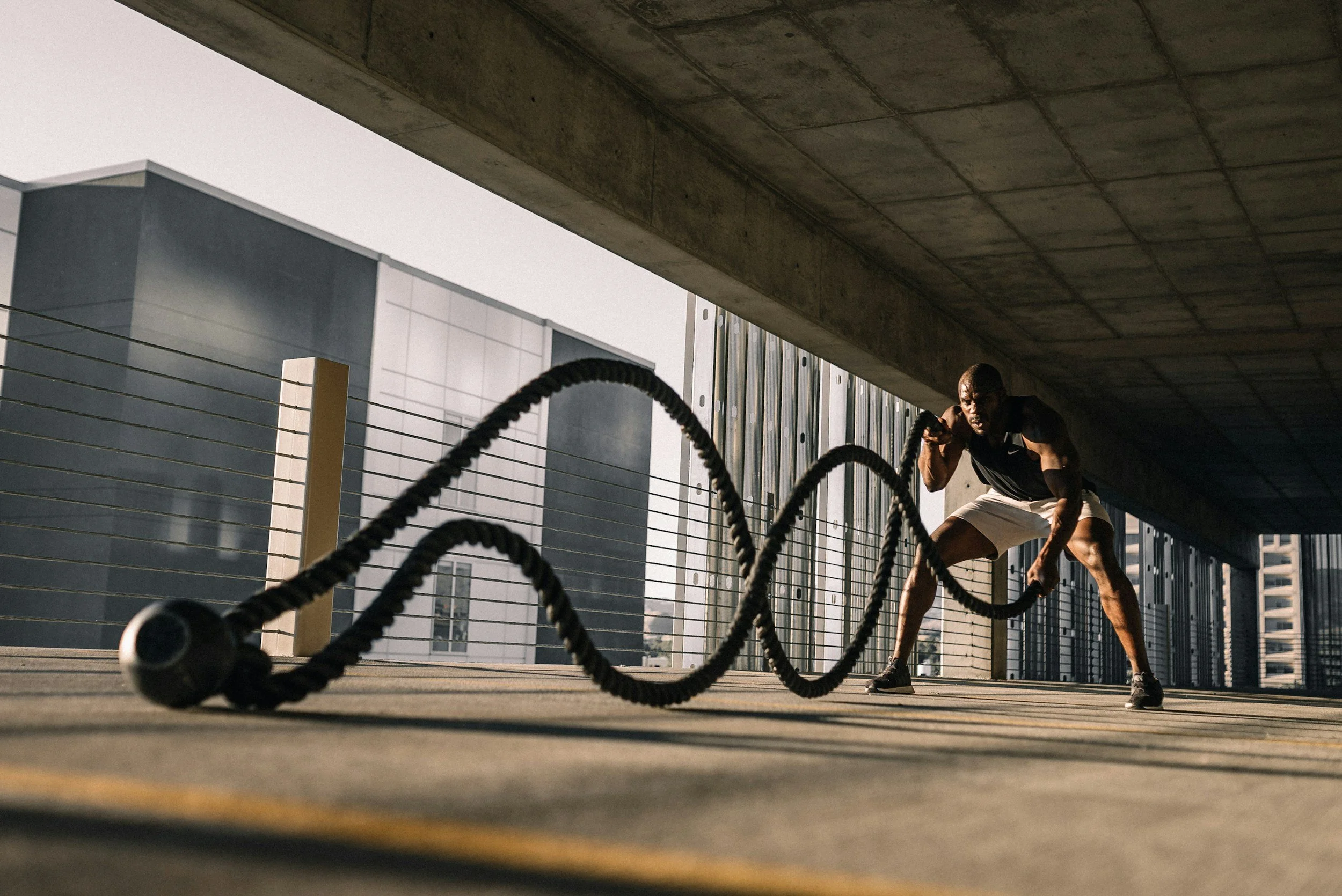
5. Reinforce service culture through in store coaching and athlete inspired language
Blend digital prompts with live coaching so the team learns not only what to say, but how to sound, stand, and guide the customer.
The final layer of blended learning is coaching. Digital content can explain a product and even simulate a service moment, but premium retail performance still depends on live observation, correction, and encouragement inside the store.
The Learning Lab supports blended learning, in person events, video learning, assessments, mobile access, and manager visibility, which creates the right structure for coaching to become part of a continuous journey rather than a one off intervention.
This is where athlete quotes or athlete inspired messages can be very effective if used with care. A short line about discipline, rhythm, focus, resilience, or precision can become the opening prompt for a coaching conversation before a shift or a product rehearsal. The point is not to decorate training with slogans. The point is to connect the mindset of sport with the behavior expected on the floor.
A manager might begin with one quote and then ask the team to apply it to service. What does precision look like during discovery. What does focus look like during a fitting moment. What does confidence sound like when explaining a technical upper or a premium price point.
This kind of coaching works especially well after digital preparation. If the associate has already completed the online learning and some in store product practice, the manager can focus on delivery. Tone of voice. Posture. Brevity. Listening quality. Timing. Those small details often decide whether expertise feels premium or merely functional.
It also creates continuity. The athlete quote becomes a thread, the digital lesson provides the content, and the store conversation turns both into a behavior. That is the real promise of blended learning in luxury sportswear. It helps teams connect knowledge, embodiment, and service style.
Use short athlete inspired prompts to frame coaching moments.
Link the prompt to a concrete retail behavior.
Coach delivery style after the digital content is complete.
Use regular store follow up so training becomes habit.
Coaching gives the whole blended model its human depth. Without it, learning can remain efficient but shallow. With it, product knowledge becomes presence, and presence is what premium sportswear retail needs most.
Blended learning fits luxury sportswear because the category asks for two forms of excellence at once.
Teams need technical certainty around products, but they also need the confidence, taste, and service control to make those products feel desirable in a premium retail setting.
That is why the best training model is not fully digital and not fully in person. It begins online with launch content, personas, and interactive learning, then moves into store practice, physical product recognition, live recommendation exercises, social sharing, and manager coaching that turns knowledge into behavior.
The Learning Lab is a strong fit for this environment because its platform already combines the elements that blended luxury sportswear training needs most, including mobile access, video learning, branching, learning paths, social learning, in person event support, reporting, and retail focused structure.
More importantly, it supports an idea of learning that feels right for the category. It allows brands to be precise without becoming cold, digital without becoming distant, and operational without losing the emotional and visual identity that defines luxury sportswear. That is why Learning Lab feels like the right LMS environment for brands that want training to improve both product expertise and the quality of the client experience.
